To safely store homemade fruit syrup at room temperature, you must process it in a boiling water canner for 10 to 20 minutes, adjusting for altitude, according to Oregon State University Extension Service. This commitment transforms seasonal produce into vibrant, shelf-stable additions for drinks for the foreseeable future.
Making basic simple syrup often involves merely shaking sugar and water. However, creating shelf-stable fruit syrups, essential for elevating homemade seasonal syrups for drinks, demands a precise, multi-step canning process.
Home bartenders achieve professional-grade drink customization by understanding specific syrup preparation techniques, but they must commit to proper preservation methods for both safety and longevity.
Understanding Sugar Syrup Ratios
Basic 1:1 simple syrup is made by simply shaking sugar and room-temperature water; it does not require heat, as stated by Difford's Guide. In contrast, a 2:1 rich sugar syrup necessitates gentle heating and stirring to fully dissolve the sugar, according to the same source. This richer syrup adds less dilution to a drink, typically around 5-8%, compared to its 1:1 counterpart.
Mastering these fundamental ratios grants precise control over a drink's sweetness and dilution, a foundational skill for any aspiring mixologist.
Crafting and Preserving Seasonal Fruit Syrups
Crafting fruit syrup begins with a precise ratio: 5 cups of strained fruit juice to 7 cups of sugar, as advised by Oregon State University Extension Service. Once prepared, these syrups demand processing in a boiling water canner for 10 to 20 minutes, adjusted for altitude, to achieve safe room-temperature storage. The promise of superior, less diluting 2:1 rich syrups for cocktails (Difford's Guide) highlights the preservation challenge inherent in fruit syrups, a significant hurdle for mixologists seeking both quality and longevity in seasonal creations (Extension).
Pitfalls in Syrup Preparation
Ignoring the distinct preservation requirements for fruit syrups invites significant risks. Unlike simple sugar syrups, fruit-based concoctions, if not properly canned, are susceptible to spoilage and bacterial growth, compromising flavor and presenting a health hazard. This common misunderstanding, applying the ease of basic simple syrup preparation to fruit varieties, prevents the creation of truly high-quality, shelf-stable seasonal ingredients. Without a precise, multi-stage canning process, these fruit syrups face a severely limited shelf life, demanding refrigeration and negating the convenience of room-temperature storage.
Tips for Enhanced Seasonal Syrups
Selecting ripe, in-season fruits ensures the most vibrant flavors. Berries, stone fruits, and citrus offer distinct profiles, elevating various drinks. Prioritize freshness to capture peak aroma and sweetness.
Precision in canning is paramount for both safety and quality. Adhere strictly to processing times and temperatures specified by extension services. This meticulous approach guarantees shelf stability and preserves nuanced flavors, allowing enjoyment throughout the year.
Common Questions about Homemade Syrups
What are the best fruits for homemade syrups?
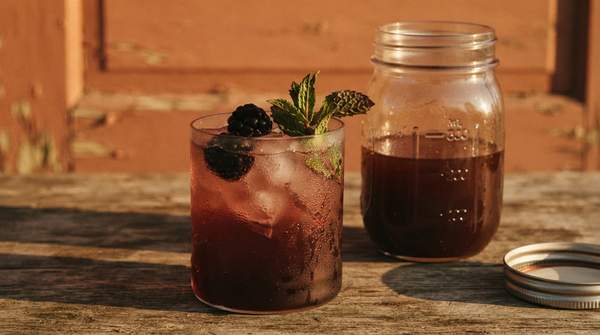
Berries such as strawberries, raspberries, and blackberries are excellent choices due to their intense flavor and ease of juice extraction. Stone fruits like peaches and plums also yield delicious syrups, as do citrus fruits like lemons and oranges for bright, zesty options.
How long do homemade syrups last?
Properly processed fruit syrups, sealed in a boiling water canner, can last for up to one year when stored at room temperature. Uncanned fruit syrups or simple sugar syrups, however, typically last only a few weeks when refrigerated.
What drinks can I make with homemade syrups?
Homemade syrups enhance a wide array of beverages. They can sweeten cocktails, provide a flavorful base for sparkling water or lemonade, and enrich hot drinks like tea or coffee. Consider adding a splash to a glass of iced tea or crafting a unique seasonal mocktail.
The Bottom Line on Syrups
If home bartenders embrace the rigor of proper fruit syrup preservation, their seasonal cocktails will likely achieve a sophistication and longevity previously reserved for professional establishments.