The Vitamin C in fresh broccoli plummets after just ten days of cold storage. Even the freshest produce quickly loses its nutritional punch if not consumed promptly, turning a healthy market haul into a nutritionally compromised one.
Consumers flock to farmers markets for peak freshness and quality, yet their post-purchase habits often lead to rapid degradation and significant food waste. This disconnect transforms potential savings and vibrant quality into avoidable waste and lost nutrients.
Adopting informed purchasing and storage strategies offers greater nutritional benefits, substantial cost savings, and a significant reduction in food waste. These smart choices are key to maximizing your farmers market haul.
7 Smart Storage Starts at Home
1. Buy seasonal produce
Best for: Value-conscious shoppers seeking peak flavor and nutrition
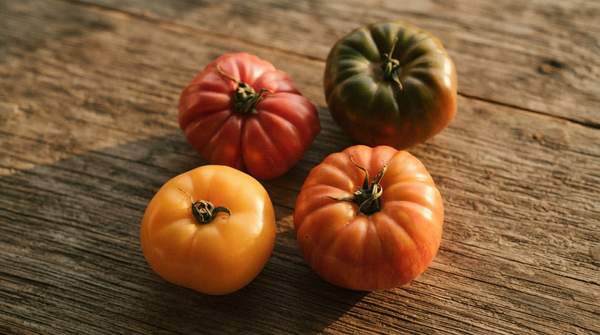
Local, in-season produce guarantees optimal freshness and taste. According to Farmers' Almanac, seasonal peaks offer 20-40% savings over off-season prices for the same items. Buying seasonal produce not only supports local agriculture but also ensures higher nutrient density, despite offering limited variety outside local harvest cycles.
2. Utilize food assistance programs (SNAP/WIC) and market match programs
Best for: Eligible families looking to stretch their food budget
Many markets accept SNAP and WIC benefits. Programs like Double Up Food Bucks, as stated by foodprint, can double your purchasing power for fresh produce. Doubling purchasing power significantly increases access to healthy food, making nutritious choices more affordable for eligible families.
3. Buy in bulk or ask for case discounts
Best for: Shoppers with storage capacity, large families, or those planning for preservation
Farmers frequently offer case discounts or reduced prices for larger, pre-bagged bulk orders, a strategy highlighted by foodprint. Buying in bulk lowers unit cost and reduces packaging waste, but it demands immediate processing or storage to prevent spoilage, making it ideal for those ready to preserve.
4. Look for 'seconds' or imperfect produce
Best for: Budget-minded cooks and those prioritizing waste reduction
Deeply discounted 'seconds'—produce with cosmetic flaws—are perfect for canning, freezing, or immediate use, as noted by foodprint. Deeply discounted 'seconds' offer substantial cost savings and actively reduce food waste at the farm level, despite requiring prompt attention.
5. Use all parts of the produce
Best for: Eco-conscious cooks and those seeking to maximize value from every purchase
American households waste nearly a third of their purchased food, reports foodprint. Maximize value and reduce waste by using edible parts like broccoli stems, carrot tops, and beet greens. Using all edible parts extracts full nutritional and financial value from your purchases, though it requires knowing which parts are safe and tasty.
6. Consider lesser cuts of meat/fish
Best for: Shoppers seeking high-quality protein on a budget
Opting for lesser cuts of meat and fish, like fish collars or roasts, can slash grocery bills by up to 50% compared to premium cuts, as foodprint notes. Lesser cuts of meat and fish often deliver rich flavor and versatility, despite potentially needing longer or different preparation methods.
7. Check local market availability/seasonality
Best for: Proactive planners and those seeking the freshest ingredients
Local weather and growing cycles dictate market availability. Checking your nearby market weekly, as Farmers' Almanac advises, ensures you target the freshest and best-priced items. Checking your nearby market weekly guarantees peak freshness and optimal pricing, maximizing your market value.
The Seasonal Advantage: Flavor, Nutrition, and Savings
Choosing seasonal produce from farmers markets isn't just a preference; it's a strategic move for superior quality and value. Timing your purchases aligns with peak flavor, nutrition, and even environmental benefits, as highlighted by the stark differences below.
| Feature | Seasonal Farmers Market Produce | Off-Season Supermarket Produce |
|---|---|---|
| Price | 20-40% below off-season prices, according to Farmers' Almanac. | Higher prices due to transport and growing costs. |
| Freshness | Often harvested within 24-48 hours, sold directly. | Travels long distances, stored for days or weeks. |
| Nutritional Value | Peak nutrient density, e.g. blueberry anthocyanin levels highest within 48 hours of harvest. | Nutrients degrade during transit and storage; Vitamin C in broccoli drops sharply after ten days. |
| Flavor | Full, vibrant taste due to ripeness and minimal handling. | Often picked underripe, resulting in muted or inconsistent flavor. |
| Environmental Impact | Reduced carbon footprint from local sourcing. | Higher carbon footprint from long-distance transportation. |
Why Freshness Fades: The Science of Nutrient Loss
The "freshness" appeal of farmers markets can be deceptive if produce isn't consumed quickly or stored correctly. Even under optimal cold storage, vitamins and antioxidants begin to break down post-harvest. The sharp drop in Vitamin C in broccoli after just ten days, reported by Farmers' Almanac, proves this. Many consumers unknowingly pay for peak nutrients they never truly receive, buying 'fresh' but consuming 'stale' produce, which undermines their health motivation.
Beyond the Basket: Maximizing Your Market Investment
Seasonal produce offers 20-40% savings, yet American households waste nearly a third of their food. This staggering statistic, combining Farmers' Almanac data with foodprint's findings, reveals a critical flaw: initial cost benefits are often nullified by spoilage from improper storage and delayed consumption. Consumers effectively negate smart shopping efforts, turning potential savings into actual losses, creating both a financial drain and an environmental burden. Implementing better storage and consumption habits can transform a market visit from a fleeting pleasure into a sustained source of nutrition and savings. By Q3 2026, consumers who implement these targeted strategies could see their food waste drop by 20% or more, transforming their weekly market visits into truly maximized investments.
Your Farmers Market Questions Answered
What are the best times to go to a farmers market?
Arrive early, ideally within the first hour, for the best selection and freshest picks. Alternatively, the last hour might offer discounts from farmers eager to clear inventory, though selection will be limited. Weigh your priority: selection versus potential savings.
How to store fresh produce from farmers market?
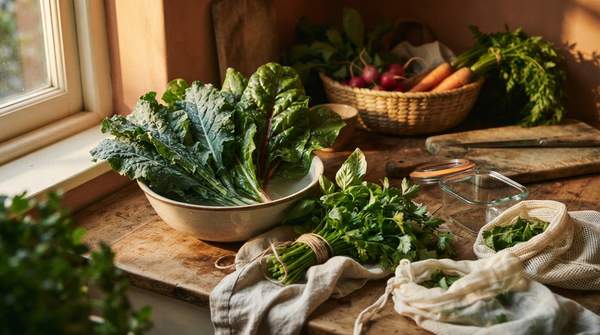
Store most produce unwashed until ready to use; excess moisture invites spoilage. Wrap leafy greens in a damp cloth or paper towel and place them in an airtight refrigerator container. Remove greens from root vegetables like carrots and beets before storage to prevent moisture loss.
What to bring to a farmers market?
Bring reusable bags, including insulated ones for perishables like meat and dairy. Small bills and coins speed up transactions, as not all vendors accept cards. A seasonal shopping list keeps you focused and prevents impulse buys.