If you want a tangy, tea-based drink with a vinegary snap, brew kombucha. If you want something light, fruity, and caffeine-free, choose water kefir. And if you love ginger ale and want a soda you can flavor any way you like, start a ginger bug. Those three sentences capture the real decision, because these drinks differ most in their starter culture, their liquid base, and their taste — and the right choice depends on which of those fits your kitchen and your palate.
Introduction to Home-Fermented Drinks
Fermentation is one of the oldest kitchen magics there is: simple ingredients, a little time, and microbes doing what they have always done. As fermentation writer Kirsten Kaminski puts it, a ginger bug begins with nothing more than "ginger, sugar, and water" becoming a living culture — billions of tiny microbes at work. The tradition spans cultures and centuries, and today three non-alcoholic options dominate home counters: kombucha, water kefir, and ginger bug soda.
Each is a living beverage, each is naturally fizzy, and each can be made at home with modest ingredients. But they are not interchangeable. One is built on tea, one on sugar water, and one on wild yeasts captured from the air and the ginger itself. Understanding those foundations — rather than any health claim — is what makes the choice easy. This guide compares the three so you can pick your starting point with confidence.
Kombucha: The Tangy Tea Brew
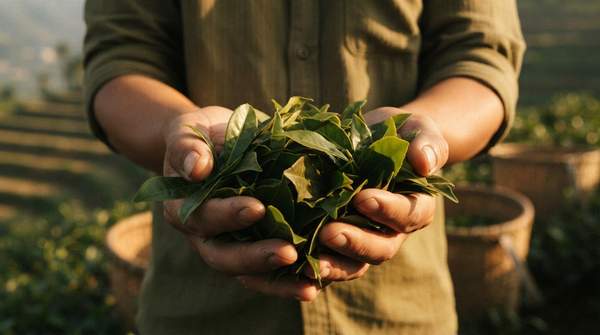
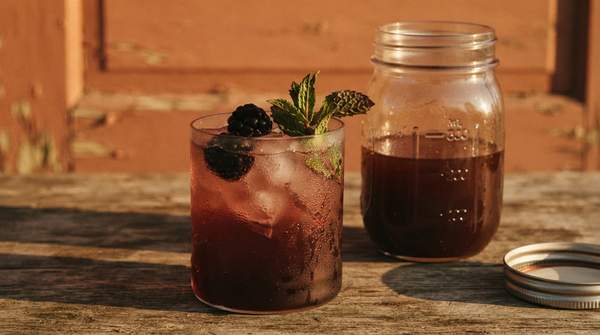
Kombucha is a fermented sweetened tea, typically brewed on black tea, with a pleasantly tart, slightly acidic character and a natural effervescence. A scientific review of kombucha and kefir describes its taste as tangy and slightly sour with a hint of sweetness, "like apple cider vinegar," while its carbonation gives it a crisp, sparkling, refreshing mouthfeel. Depending on the tea base, fermentation length, and added ingredients, kombucha can range from bright and citrusy to floral, earthy, or spiced.
Two things define the kombucha experience for a beginner. First, it is tea-based, which means it carries a small amount of caffeine — lightly energizing, but not for anyone avoiding it. Second, its flavor is the most assertive of the three: if you already enjoy sharp, sour tastes like vinegar or sourdough, kombucha will feel familiar. A related brew, jun, follows the same principle but ferments green tea with honey instead of black tea with sugar, producing a softer, floral, almost champagne-like drink — though jun's specific culture is harder to find, making it a project for later rather than a first brew.
Water Kefir: The Light and Fruity Fizz
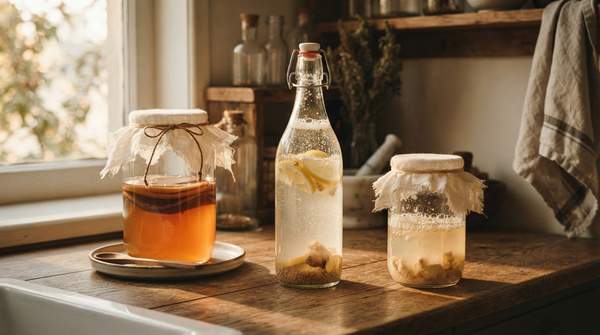
Water kefir is made by fermenting water, sugar, and kefir grains — translucent, living cultures that are reusable again and again. Because the base is sugar water rather than tea or milk, water kefir is both dairy-free and caffeine-free, which makes it a natural alternative for anyone avoiding milk-based kefir or kombucha. If your pantry already has sugar and water, you have most of what you need.
The flavor is where water kefir wins converts. According to the fermentation educators at Kombucha Kamp, its acids hit the palate higher in the mouth than kombucha's, giving it a lighter, fruitier character — closer to a mild lemonade than a vinegar tang. It is also the most customizable of the three: ginger, fruit, and herbs are the most popular additives, each yielding a different result. One variation worth knowing: coconut water kefir develops a unique flavor profile devoid of sweetness when fermented without any additional sugar, so the substrate you choose genuinely reshapes the drink.
Ginger Bug Soda: The Wild and Versatile Pop
The ginger bug is the most romantic of the three, because you do not buy the culture — you attract it. As fermentation blogger Emillie Parrish explains, a ginger bug is a wild yeast culture made from sugar and raw ginger, and it makes a great homemade soda pop alternative for anyone who does not regularly brew kombucha or water kefir. You macerate ginger with sugar and leave it open to the air to attract wild yeast, then use the whole living mass to ferment sugar water into a tasty "ginger ale."
The trade-off is predictability. Kaminski notes that wild ferments are less controlled at the beginning, with the microbial population developing over time under the influence of temperature, ingredient quality, and your environment. But something remarkable happens with patience: a ginger bug begins as a wild ferment and becomes a self-sustaining starter culture you can reuse again and again. The reward is versatility — Parrish's recipe collection alone spans berry punch and many other flavored pops, each one a little different from the last.
One caution deserves emphasis. Fermentation educator Donna Schwenk warns that fermented sodas can create tremendous carbonation and pressure: always use thick glass bottles designed for brewing, never decorative craft-store bottles, check them frequently, refrigerate once ready, and open carefully.
Fermented Drink Comparison at a Glance
The table below places the three beverages side by side against the same criteria — what you start with, what liquid you ferment, what it tastes like, and what else distinguishes it — so you can match a drink to your taste, ingredients, and preferences at a single glance.
| Beverage | Starter Culture | Primary Liquid | Flavor Profile | Key Characteristics |
|---|---|---|---|---|
| Kombucha | SCOBY (symbiotic culture of bacteria and yeast) | Sweetened tea, typically black tea | Tangy and slightly sour with a hint of sweetness, like apple cider vinegar; crisp and sparkling | Contains a small amount of caffeine; ranges from citrusy to floral, earthy, or spiced |
| Water kefir | Kefir grains — translucent, reusable living cultures | Sugared water | Light and fruity, like a mild lemonade; acids hit the palate higher than kombucha's | Dairy-free and caffeine-free; easily flavored with fruit, ginger, or herbs |
| Ginger bug | Wild yeast culture captured from raw ginger, sugar, and the air; becomes a reusable starter over time | Sugar water | Tasty "ginger ale" character; unique, one-of-a-kind flavors depending on produce and environment | Least predictable at first; the most versatile base for many flavored sodas |
Reading the table as a decision: if you want a tart, tea-based drink and caffeine is welcome, kombucha is your match. If you want the gentlest introduction — light, fruity, caffeine-free, and endlessly flavorable — water kefir fits. If you love ginger and want a soda-style brew you can steer toward any fruit or herb, the ginger bug offers the widest creative range in exchange for a less predictable start.
Making Your Fermented Drink Choice
Choose your fermented beverage based on your preference for a tangy tea-based drink (kombucha), a light and fruity water-based drink (water kefir), or a versatile ginger-flavored soda (ginger bug). The check that confirms your choice is simple: the chosen beverage's starter culture and primary liquid ingredients are readily available and align with your taste preferences. If you can source a SCOBY and you drink black tea, kombucha is within reach; if sugar water and kefir grains sound easier than tea, start with water kefir; and if a knob of raw ginger and a jar of sugar are already in your kitchen, your ginger bug can begin this week.
Sources
- Fermentation 101: Wild vs Starter Cultures — Kirstykaminski
- Non-Alcoholic Fermented Drinks: What They Are & Why You'll Love Them — Kombucha Inc.
- Fermented Beverage Benefits: A Comprehensive Review and Comparison of Kombucha and Kefir Microbiome - PMC
- Kombucha Kamp's Water Kefir Page
- Ginger Bug Soda (10 Flavors!) — Fermenting for Foodies
- How To Choose The Best Fermented Drink For You — Cultured Food Life