Terroir—the idea that a spirit's flavor carries the imprint of where it was made—is not just a wine term. In craft distilling, it describes the combined influence of geography, climate, raw ingredients, and human decisions on what ends up in the glass. The concept is now being tested rather than merely asserted: a Pennsylvania distillery's Terroir Rye Project aged experimental barrels of regionally grown rye and used lab analysis to link specific flavor compounds to where the grain was grown. The result is a working framework any enthusiast can use to read a craft spirit's story.
Understanding Terroir in Craft Spirits: More Than Just Geography
Terroir borrowed its prestige from winemaking, where it denotes the unique influence of soil, climate, and geography on a wine's character. But as Eight Oaks Farm Distillery's Josh Van Den Berg explains, the concept extends naturally to spirits: spirit production, like winemaking, encompasses the sum of environmental factors that contribute to a distinct taste and identity. The parallels are evident, yet spirits add their own complexity.
Where a vineyard works with one crop, distillers draw on diverse ingredients—grains, fruits, and herbs—each carrying its own terroir signature. Writing on craft whiskey, Bobby DeMars of Blind Barrels frames the concept broadly as well: local geography, topography, climate, and culture all contribute to the unique flavor profile of a well-made whiskey. That last word, culture, is the crucial one. Terroir in spirits is not a single environmental variable but a layered interaction of place, plant, and person.
Component 1: Geography and Climate – Shaping the Spirit's Environment
Climate works on a spirit twice: first on the ingredient in the field, then on the barrel in the warehouse. The clearest illustration comes from New York's Hudson Valley, where Tuthilltown Spirits produces a distinctly northern take on bourbon. According to Great American Craft Spirits, the region's cooler, humid climate allows for a more prolonged aging process, resulting in a mellower, more nuanced flavor with notable fruitiness and floral aroma.
The mechanism matters as much as the outcome. Slower maturation in a cooler, humid environment means the whiskey spends more time in wood without the aggressive extraction that heat drives, and that patience shows up as softness and aromatic delicacy rather than intensity. Geography and climate, in other words, are not backdrop; they set the pace of the entire production timeline.
Component 2: Raw Ingredients – The Earth's Signature in Every Sip
Soil is where terroir begins, as Van Den Berg puts it. Various soil types—from rich loam to mineral-rich compositions—influence how the ingredients used in spirits develop, with nutrient-rich soils enhancing ingredient quality and bringing out richness of flavor. The same logic extends across the raw materials of distilling: the type of corn used, sometimes unique to a particular area, can affect the sweetness and body of a bourbon, while different yeast strains contribute complexity and depth that varies from one distillery to another.
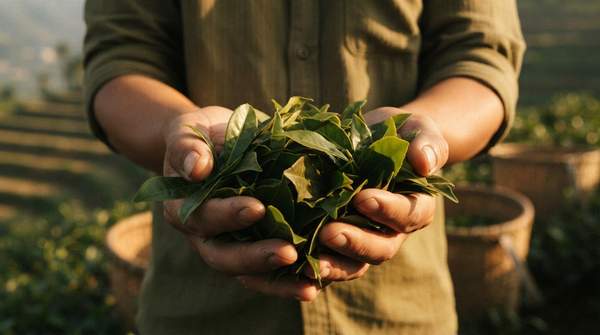
Ingredients can also express place through adversity. In Western Pennsylvania, rye grain grows under less-than-ideal conditions—a tricky climate and rocky soil—which may stress the grain and concentrate flavor compounds. That stress hypothesis is exactly what the Terroir Rye Project set out to examine, and it is where terroir stops being poetry and starts being chemistry.
Component 3: Human Influence – The Distiller's Craft and Regional Tradition
No spirit expresses terroir automatically; a person decides what to plant, how to distill, and how long to wait. Craft distilleries have experienced a renaissance, in DeMars's account, on the strength of specialty, small-batch spirits with distinct regional characteristics—and those characteristics are actively chosen, not accidental. A distiller who sources grain locally, ages slowly in a cool climate, and favors house yeast is making terroir a deliberate production strategy.
Human influence is also cultural. Regional whiskey traditions, local sourcing relationships, and a distillery's own curiosity about its place all shape the final profile. The American Craft Spirits Association describes this as a question of differentiation: as craft distilleries grow, one area of focus is the idea of place, and whether it can extend into genuine farm-to-glass production. The distiller's hand is what converts environmental potential into a bottle.
The Terroir Framework: Deconstructing Spirit Flavor
The three components above can be organized into a diagnostic framework. Each row pairs a component with its mechanism and a documented example, so the reader can trace how a factor becomes a flavor.
| Component | Mechanism of Flavor Impact | Documented Example |
|---|---|---|
| Geography & Climate | Regional climate sets the pace of maturation; cooler, humid conditions slow aging and soften extraction from wood. | Hudson Valley bourbon from Tuthilltown Spirits: prolonged aging in a cool, humid climate yields a mellower, more nuanced flavor with fruitiness and floral aroma, attributed to that climate and aging process. |
| Raw Ingredients (Grain, Fruit, etc.) | Soil type and growing conditions shape the flavor signature of grains, fruits, and herbs before they ever reach the still. | Soil types from nutrient-rich to mineral-rich influence ingredient development; in Western Pennsylvania, rocky soil and a tricky climate may stress rye and concentrate flavor compounds. |
| Human Influence (Production Techniques) | Distillers' choices—local sourcing, aging duration, yeast selection—convert environmental conditions into a deliberate regional profile. | Craft distilleries pursuing distinct regional characteristics through production methods, including prolonged aging and local sourcing. |
Read a craft spirit through these three lenses in order: ask where it was made and what that climate does to aging, ask what its ingredients drew from the soil, and ask what the distiller chose to emphasize. The framework's value is that it turns a vague claim of "taste of place" into three separate, checkable questions.
Case Study: The Terroir Rye Project – Proving 'Taste of Place' in American Whiskey
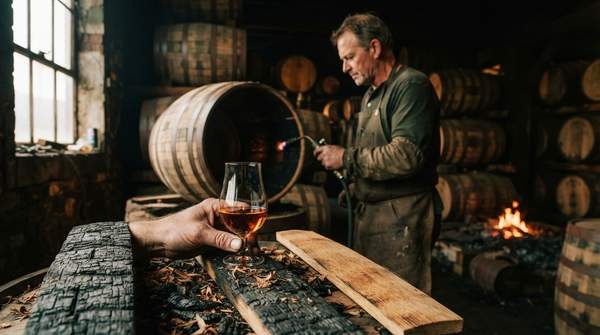
The most concrete test of these ideas comes from Wigle Whiskey in Pittsburgh, whose Terroir Rye Project distilled whiskeys from rye grain sourced around the continent. As Wayne Curtis reported in SevenFifty Daily, the project's lab analysis showed variations in specific flavor compounds—including furfural, acetaldehyde, isobutanol, and isoamyl alcohol—linked to the regional growing conditions of the rye, consistent with the idea that stressed grain concentrates flavor.
The project has since wrapped up: Wigle bottled all its experimental barrels after two years of aging, and the distillery's owners, the Grellis, achieved what they set out to do—demonstrate that regional grains can produce a whiskey with a stand-alone flavor. They now have data, as Curtis notes, to back up their conjecture about the historic evolution of regional whiskeys. The American Craft Spirits Association presented the project as a way to engage and educate consumers and to learn more about the craft—a scientific study wrapped in a story.
Embracing the 'Taste of Place' in Craft Spirits
Consumers and distillers should actively explore and appreciate the specific environmental and human factors that define a spirit's terroir. For the drinker, that means looking past the label to the three-part framework: the climate that aged it, the soil that fed its grain, and the hands that made the choices. For the distiller, the Terroir Rye Project shows the question is answerable with barrels, patience, and lab work.
The measurable indicator to watch is increased consumer demand for spirits with clearly articulated regional origins and production stories, alongside continued research into terroir by distilleries. When the next distillery follows Wigle's lead and publishes compound-level data on its own regional grain, the taste of place will have moved one step further from marketing language toward documented fact.
Sources
- Do Spirits Actually Have Terroir? Testing Taste of Place in American Rye Whiskey – American Craft Spirits Association — Americancraftspirits
- The Terroir of Spirits: How Soil Impacts Flavor — Eight Oaks Farm Distillery
- Exploring the Terroir of Craft Whiskey: How Location Influences Flavor — Blind Barrels
- How Bourbon Geography Affects Taste Profiles — Great American Craft Spirits
- Finding the Terroir of American Spirits — SevenFifty Daily