
Soil Health
12 articles
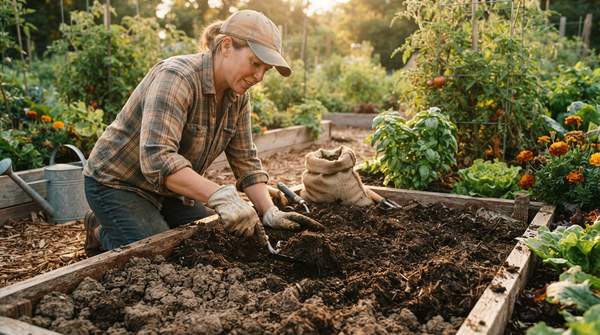
Matching Your Soil Problem to the Right Organic Amendment: A Mechanism Guide for Vegetable Gardens
Choosing the right organic amendment for your vegetable garden depends on understanding your soil's specific problem and the amendment's mechanism of action. This guide helps match fibrous materials to clay soils and well-decomposed matter to sandy soils for healthier growth.
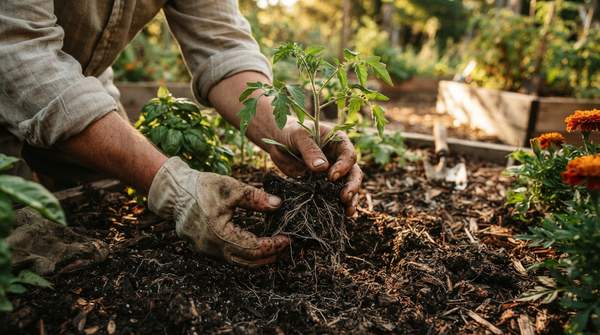
Do You Need to Buy Mycorrhizal Fungi for Your Garden? Usually Not — Here's How to Decide
Most home gardeners do not need to buy mycorrhizal fungi, as they are naturally present in healthy soils. Focus on fostering existing fungal networks through practices like adding organic matter and minimizing soil disturbance instead of purchasing inoculants.
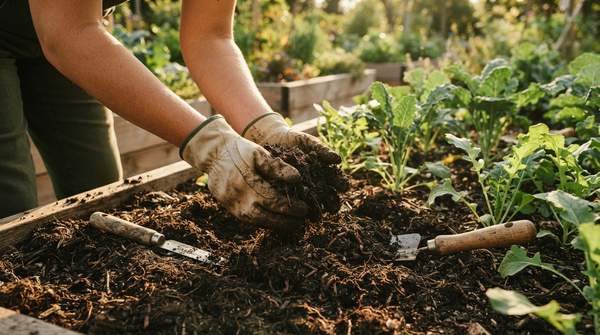
Feed the Soil, Not Just the Plant: How to Build a Living Microbiome in Your Home Garden
Build a healthier garden by feeding the soil's living microbiome, not just the plants. Learn how beneficial microbes decompose organic matter, cycle nutrients, and improve soil structure, leading to more vigorous plant growth.
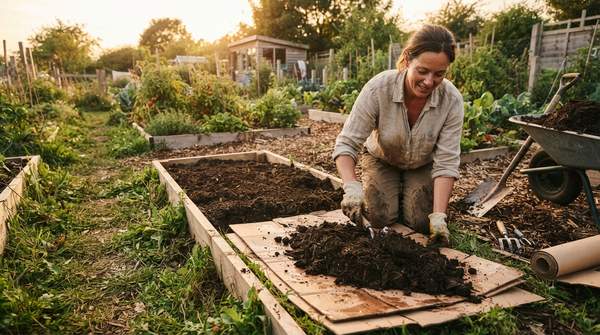
No-Dig vs. Tilling: How to Build Your First Weed-Suppressing Vegetable Bed Without Ever Lifting a Spade
No-dig gardening simplifies vegetable beds by leaving soil undisturbed, feeding it with compost from above, and letting natural processes build health and suppress weeds, offering an easier alternative to traditional tilling.
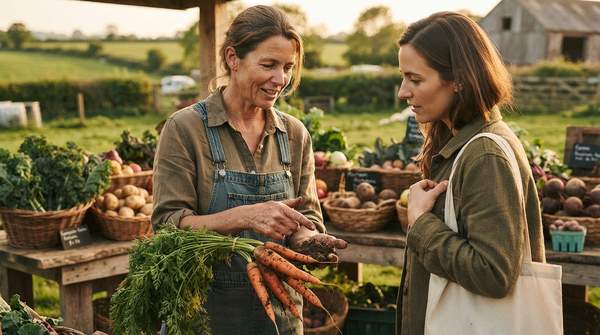
How to Shop for Regenerative Agriculture: A Practical Guide to Questions, Labels, and Farm Practices
Support regenerative agriculture by asking producers about specific soil and wildlife practices, as there is no single universal "regenerative" label. Your informed grocery choices can help foster healthier ecosystems and farming methods.
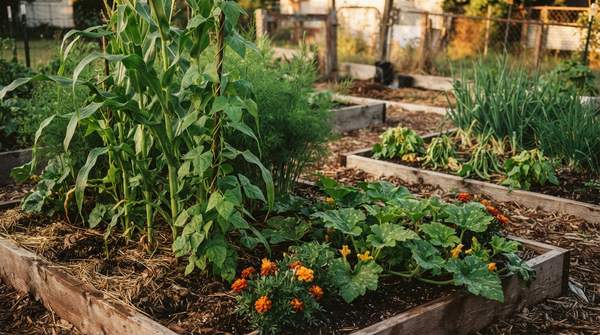
Three Companion Planting Pairs That Actually Work—and the Pairing to Keep Away From Your Beans
Explore three evidence-based companion planting pairs: the Three Sisters (corn, beans, squash) for support and soil health, summer savory with beans for pest deterrence, and marigolds with asparagus to repel soil pests. Understanding their mechanisms helps create a thriving garden.
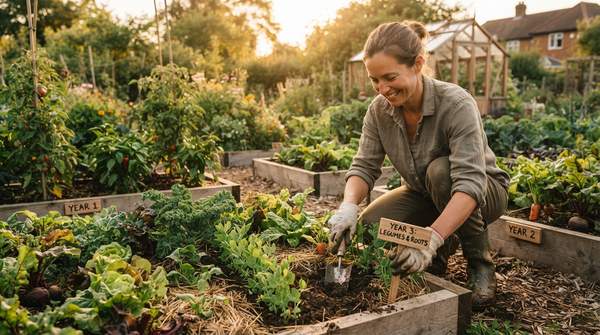
How to Build a Multi-Year Crop Rotation Plan for Your Home Vegetable Garden
Learn how to build a multi-year crop rotation plan for your home vegetable garden by grouping crops by botanical family. Rotating families annually helps starve soil-borne pests and diseases, improving soil fertility and plant health.
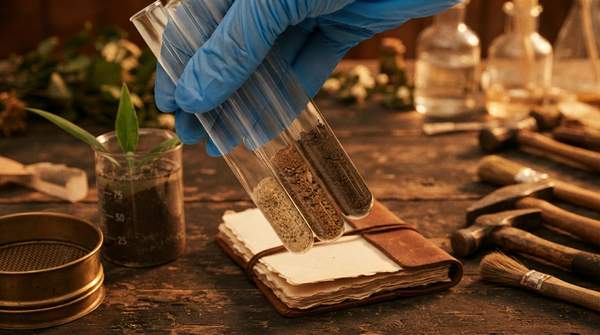
How Mycorrhizal Fungi Feed Your Garden: The Underground Partnership You Can Protect
Mycorrhizal fungi form a vital underground partnership with plant roots, enhancing nutrient and water uptake in exchange for plant sugars. Protecting and fostering these native fungi through mindful gardening practices is more effective than relying on commercial inoculants.
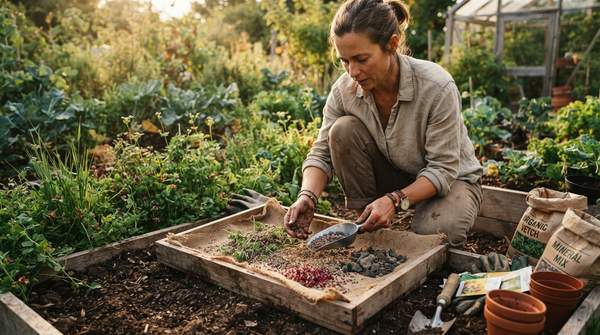
Selecting Cover Crops and Mineral Amendments for Advanced Organic Home Gardens
Advanced organic gardening involves integrating cover crops for nitrogen fixation and organic matter, alongside targeted mineral amendments like rock phosphate and greensand, to build soil fertility beyond basic composting.

How to Improve Soil Drainage for Plant Growth: A Complete Guide
All water should drain from a 12-inch deep, 12-inch diameter hole within eight hours when testing soil drainage, according to Extension .

FERTILIZER US vs. Conventional Brands: A Head-to-Head Comparison for US Farmers
This article compares FERTILIZER US's organic solutions with conventional fertilizers for American farmers, examining key differences in soil health, nutrient delivery, sustainability, and long-term value. It highlights how fertilizer choices impact crop performance, soil health, and overall farm productivity for long-term growing goals.

Regenerative farming boosts farm income despite climate fears
The United States is losing its vital topsoil 10 times faster than it’s naturally replenished, according to Earthday .