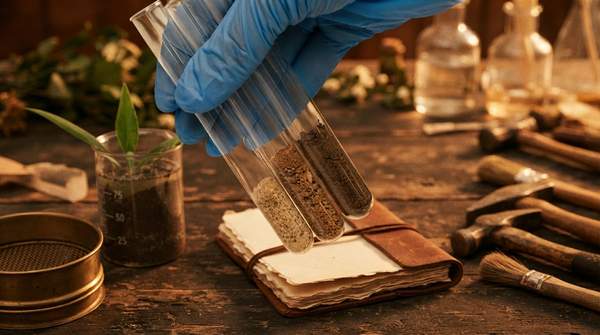
Choosing the right fertilizer can have a lasting impact on crop performance, soil health, and overall farm productivity. As farmers evaluate different options, many are looking beyond short-term results and considering how their fertilizer choices support long-term growing goals. FERTILIZER US offers organic fertilizer solutions designed to help improve soil quality while supporting healthy plant growth across a variety of agricultural applications.
In this article, we'll compare FERTILIZER US with conventional fertilizer brands, examining key differences in soil health, nutrient delivery, sustainability, and long-term value for American farmers.

The Conventional Crossroads: Short-Term Gains vs. Long-Term Costs
Picture a farmer facing a familiar challenge: the need for maximum crop yield this season. For decades, the go-to solution has been conventional synthetic fertilizers. They’re powerful, fast-acting, and deliver a predictable boost of nitrogen, phosphorus, and potassium (NPK). That immediate impact on yield is undeniable and has been a cornerstone of modern agriculture.
But a growing number of farmers are seeing the hidden costs. The long-term use of conventional fertilizers can lead to soil compaction, harm microbial life, and create a dependency on more chemical inputs.
Over time, the soil structure weakens, demanding more water and more fertilizer just to get the same results. It’s a cycle of diminishing returns that depletes a farm’s most valuable asset: its soil. Many farmers now find themselves at this tension point, searching for a better path forward.
Can Organic Fertilizer Really Work for Large Farms?
That’s the critical question, and the answer goes deeper than the NPK rating on the label. A synthetic fertilizer might deliver a quick nitrogen hit, but a commercial organic fertilizer from a company like FERTILIZER – US is designed to do more. It’s about feeding the soil, not just the plant.
The old argument that organic is only for small-scale operations is quickly becoming outdated. The rapid expansion of organic farming acreage across the U.S. is proof of its commercial viability. Here’s why it’s gaining traction on a larger scale:
- Long-Term ROI: Organic inputs build up the soil, improving water retention and fostering the microorganisms that create a healthy, self-sufficient ecosystem. This can reduce the need for other inputs over time. When you look at the cost per acre over a 5- or 10-year horizon, the numbers start to tell a different story.
- Soil Health as an Asset: Healthy soil is more resistant to drought, less prone to erosion, and better at cycling nutrients. Investing in products that improve soil health is like upgrading the factory floor of your entire operation.
- Market Premiums: Consumer demand for organic produce just keeps climbing. For many commercial farms, switching to organic inputs is a direct path to higher-value markets and better profitability.
Conventional vs. Modern Organic
When you place traditional options side-by-side with modern, sustainable fertilizers like those from FERTILIZER – US, the differences become clear. It’s a choice between two distinct farming philosophies.
- Nutrient Delivery: Conventional fertilizers give plants a rush of water-soluble nutrients, which can sometimes lead to runoff. Modern organic options provide a slow, steady release as microorganisms break them down, feeding the plant as needed and cutting down on waste.
- Impact on Soil: Synthetic options can be harsh on the soil's microbial life. A commercial organic fertilizer, however, adds organic matter, enhances biodiversity, and improves the soil’s ability to hold water and nutrients.
- System Dependency: A conventional approach can create a reliance on a whole suite of chemical inputs. The organic model aims to build a more resilient, self-regulating system that makes the farm less vulnerable to volatile chemical prices.
Do Organic Fertilizers Work with Modern Precision Application Methods?
Yes, absolutely. This is one of the biggest misconceptions holding producers back. The old image of spreading bulky, inconsistent compost doesn't reflect today's advanced organic products. The fertilizer market has evolved, and forward-thinking brands like FERTILIZER – US know that modern farms run on efficiency and data.
Many modern alternatives to synthetic fertilizers are formulated as high-quality liquids or finely granulated solids, designed specifically for precision agriculture. They are engineered to work seamlessly with advanced equipment, including:
- Fertigation Systems: These systems supply water-soluble organic nutrients directly through irrigation lines, ensuring every drop of water carries what plants need right to the root zone.
- Variable Rate Technology (VRT): This allows farmers to apply organic inputs with incredible precision, matching the application rate to the specific needs of different zones within a field.
This compatibility means that choosing a more eco-friendly approach to farming doesn't require sacrificing technology. It pairs perfectly to maximize efficiency and reduce waste.
Things to Look For When Choosing a Fertilizer Partner
Making the switch requires careful thought. Whether you're considering a full transition or just starting to incorporate sustainable practices, use this checklist to guide your decision.
- Formulation for Your System: Does the supplier offer products, whether liquid or granular, that are compatible with your existing precision equipment?
- Focus on Soil Health: Does the company’s philosophy center on building soil structure and microbial life, or are they only talking about NPK numbers?
- Scalability: Can they deliver the volume and consistent quality needed for a commercial-scale operation?
- Crop Nutrient Management Support: Will they help you create a tailored nutrient program for your specific crops and soil types?
- Industry Alignment: Is the company focused on the future, with an approach built around major trends like sustainability and precision agriculture? Brands like FERTILIZER – US are built on these modern needs.
- Transparent Sourcing: Can they tell you where their ingredients come from? Quality inputs are critical, especially for certified organic farming.
- Proven Results: While you might not find a page of "reviews from American farmers," look for companies that can point to data-driven results and are focused on building long-term partnerships.
Key Takeaways
The choice between organic and conventional fertilizer is no longer just about ideology. It's a critical business decision with long-term financial and operational consequences. As you plan for the seasons ahead, keep these points in mind.
- The entire fertilizer market is shifting toward sustainable and organic solutions, driven by real, long-term economic benefits.
- Today’s commercial organic fertilizers are designed for large-scale farms and work with precision agriculture methods like fertigation.
- The true value of organic fertilizer is its power to build soil health, which improves water retention, reduces dependency on other inputs, and creates a more resilient farm.
- When choosing a provider, look for a partner like FERTILIZER – US that understands crop nutrient management and makes products engineered for modern farming.
Ultimately, the right fertilizer ensures productivity not just for this harvest, but for generations to come. By investing in soil health, American farmers are investing in a more profitable, predictable, and sustainable future.