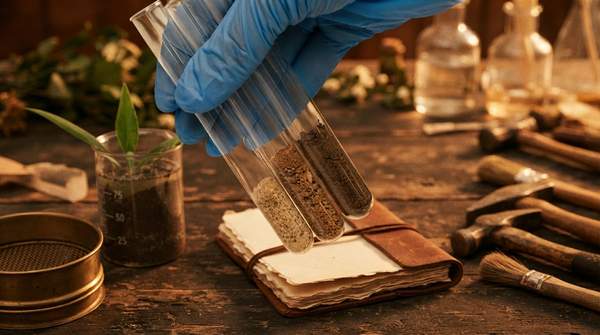
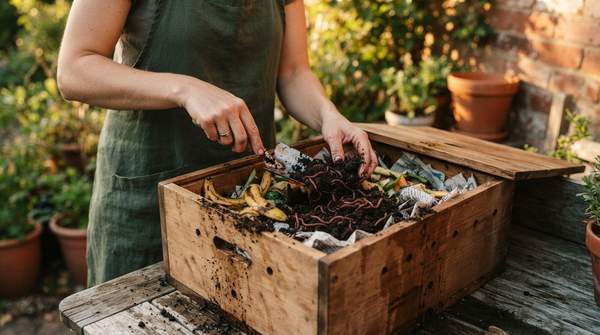
For home gardeners seeking to deepen their commitment to soil health beyond basic composting, advanced techniques like integrating cover crops and targeted mineral amendments offer powerful ways to enhance fertility, structure, and nutrient balance. These methods work in harmony with organic principles, fostering a thriving ecosystem beneath the soil surface that supports robust plant growth.
Beyond the Compost Pile: Why Advanced Soil Building Matters
While compost is a cornerstone of organic gardening, providing a steady supply of organic matter and a slow trickle of nutrients, advanced soil building techniques offer more specific benefits. Cover crops, for instance, are plants grown not for harvest but specifically to improve soil health, filling gaps between food crops in your garden rotation, as noted by Hannah Bundy of NC State Extension. They contribute to soil structure, prevent erosion, and can even add specific nutrients. Mineral amendments, on the other hand, allow gardeners to address precise nutrient deficiencies identified through soil testing, ensuring plants have access to the full spectrum of elements they need to flourish. The Oregon State University Extension Service highlights that incorporating organic matter, whether through compost or cover crops, into the top 6–8 inches of soil can jump-start microbial activity and improve soil health.Cover Crops for Organic Gardens: Targeted Benefits
Cover crops serve multiple purposes in an organic garden, primarily categorized by their ability to fix nitrogen or accumulate organic matter and improve soil structure. The choice of cover crop depends on your specific garden goals. For instance, some cover crops are particularly effective at preventing topsoil erosion by cushioning raindrops and holding soil particles in place, according to SARE (Sustainable Agriculture Research & Education). Beyond erosion control, cover crops enhance soil structure, or "tilth," by increasing organic matter and adding biomass below the surface, similar to the benefits of shredded leaves or compost, as explained by Purdue University's College of Agriculture. This leads to improved water infiltration, drainage, and aeration.Selecting Cover Crops for Nitrogen Fixation (Legumes)
Leguminous cover crops are invaluable for their ability to "fix" atmospheric nitrogen into a form usable by plants, effectively enriching the soil's nitrogen content. These plants host beneficial bacteria in their root nodules that perform this vital function. High-biomass legume green manures can return a significant amount of nitrogen to the soil, potentially reducing or eliminating the need for supplemental nitrogen applications, according to NCAT (National Center for Appropriate Technology). For example, these legumes can return as much as 100 to 200 pounds of nitrogen per acre.
Common legume cover crops suitable for home gardens include:
* Crimson Clover: The Oregon State University Extension Service suggests crimson clover as an excellent winter cover crop for Western Oregon, recommending seeding at 12 pounds per 1,000 square feet by October 1st. When tilled under in late April, it can return approximately 3–4 pounds of nitrogen per 1,000 square feet to the soil.
* Field Peas
* Hairy Vetch
* Alfalfa
When selecting, it's always wise to consult your local Extension office for region-appropriate varieties and planting times.Selecting Cover Crops for Organic Matter and Soil Structure
While legumes excel at nitrogen fixation, other types of cover crops, such as grasses, broadleaves, and brassicas, are particularly effective at building overall organic matter and improving soil structure. The dense mat of roots formed by these cover crops is often more valuable in building soil structure than the plant material above ground, as noted by the Oregon State University Extension Service. This root mass helps bind soil particles, creating better aggregation and porosity.
Examples of cover crops chosen for their organic matter contribution and soil-building properties include:
* Cereal Rye: A common grass cover crop known for its extensive root system.
* Buckwheat: A broadleaf cover crop that grows quickly and can suppress weeds.
* Radish: A brassica that can break up compacted soil with its deep taproot.
* Oats: Another grass cover crop that adds biomass.
These species contribute significant biomass both above and below ground, which, upon decomposition, enriches the soil with humus and improves its physical characteristics.
Integrating Cover Crops into Your Garden Rotation
Successfully incorporating cover crops into your home garden requires thoughtful planning regarding planting and termination. Cover crops are typically planted in the "gap" between main food crops, such as after a summer harvest or before spring planting.
For planting, ensure the seeds are watered to establish them, especially before cold weather sets in for winter cover crops. When it's time to prepare the bed for your next food crop, you have a few options for terminating the cover crop:
* Tilling or Digging In: The Oregon State University Extension Service advises digging in the cover crop at least two weeks before planting your garden. This allows sufficient time for the plant material to begin decomposing and for microbial activity to integrate it into the soil.
* Cut and Mulch: Alternatively, you can remove the above-ground portion of the cover crop and compost it. Another method involves cutting the cover crop at the base and then applying a layer of organic amendment, such as cardboard and compost, over the soil surface. You can then plant directly into this mulch layer. This approach minimizes soil disturbance and provides a mulch that conserves moisture and suppresses weeds, though it may improve soil organic matter content more slowly.
Targeted Mineral Amendments for Soil Deficiencies
Beyond the general benefits of organic matter, specific mineral amendments allow gardeners to precisely address nutrient deficiencies in their soil. This targeted approach is crucial because simply adding general organic matter may not correct specific imbalances of essential minerals. The most effective way to identify these deficiencies is through a soil test, which provides a detailed analysis of your soil's nutrient profile. Once you understand what your soil is lacking, you can select appropriate natural mineral amendments to replenish those specific nutrients. For instance, a healthy soil with a good balance of clay, sand, and humus can still become depleted of mineral nutrients over time, making occasional additions of rock phosphate and greensand beneficial, according to information from Bootstrap Farmer, referencing Colorado State University Extension.Applying Rock Phosphate and Greensand
Two common and effective mineral amendments for organic home gardens are rock phosphate and greensand, each offering distinct nutrient benefits:
* Rock Phosphate: This natural mineral is an excellent source of phosphorus, an essential nutrient for root development, flowering, and fruiting in plants. If your soil test indicates a phosphorus deficiency, rock phosphate can be a valuable addition. It releases phosphorus slowly over time, providing a steady supply to your plants.
* Greensand: Derived from marine sediments, greensand is a natural source of potassium and various trace minerals. Potassium is vital for overall plant vigor, water regulation, and disease resistance. If your soil is low in potassium or trace elements, greensand can help restore balance.
When applying these mineral amendments, the general practice is to spread them evenly over the garden bed. For optimal integration and to jump-start microbial activity, work the amendments into the top 6–8 inches of soil with minimal passes, as recommended by the Oregon State University Extension Service for incorporating organic matter. Tools like hard tine rakes, digging forks, or broad forks are effective for this purpose in home gardens.
By thoughtfully selecting cover crops for specific goals like nitrogen fixation or organic matter accumulation, and by using targeted mineral amendments such as rock phosphate and greensand based on soil test results, home gardeners can cultivate a truly resilient and fertile organic garden ecosystem. These advanced techniques move beyond basic composting to create a deeply nourished soil environment that supports vibrant plant life season after season.