On-premise sales of non-alcoholic beer, spirits, and mocktails soared by $295 million during Dry January 2022 (according to All the Bitter), according to All the Bitter. This marks a profound shift in consumer spending, reshaping hospitality venues nationwide. Patrons now actively seek sophisticated alternatives to traditional alcoholic beverages.
Many still perceive non-alcoholic cocktails as simple or lacking depth. Yet, they can be crafted with complex flavors and textures that rival traditional alcoholic drinks. This disconnect between perception and potential often limits their adoption and appreciation.
As consumer preferences continue their decisive shift towards mindful drinking, mastering the art of non-alcoholic mixology will become an increasingly valuable skill. This holds true for both home enthusiasts and the discerning hospitality industry.
This surge in non-alcoholic options, totaling $295 million in on-premise sales during Dry January 2022 stands in stark contrast to flat soft drink sales, All the Bitter reports. This isn't merely a trend; it's a definitive reorientation of consumer choice, favoring crafted complexity over simple sweetness.
Catering to the non-drinking demographic, a substantial 30% of the country can attract patrons who might otherwise choose a different venue, according to All the Bitter. Companies failing to offer complex, appealing non-alcoholic options risk alienating this significant segment, making inclusivity a critical business imperative.
Building Flavor and Sensation
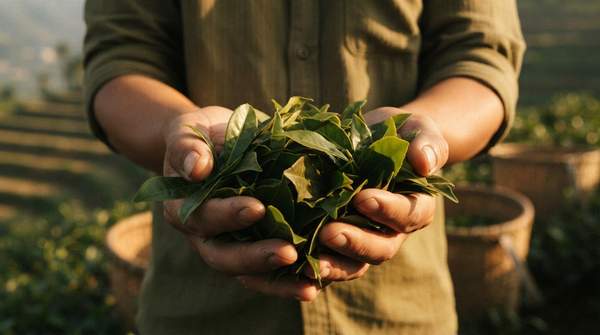
Crafting truly delicious non-alcoholic cocktails demands layering diverse elements for profound depth. Ingredients like strongly brewed tea, artisanal flavored syrups, or vibrant citrus contribute essential intensity, according to All the Bitter. These components form the aromatic and foundational taste.
To replicate the distinctive 'bite' or 'burn' of alcohol, mixologists now skillfully employ non-alcoholic spirits, bitter aperitifs, vinegars, or fresh ginger, as also stated by All the Bitter. This sophisticated approach moves beyond simple substitution, revealing that the sensory complexity once exclusive to alcohol can be meticulously engineered. Mastering these techniques transforms zero-proof cocktails from mere alternatives into compelling culinary creations.
Debunking Myths About Zero-Proof Profitability
Many establishments mistakenly view non-alcoholic drinks as less profitable. However, a zero-proof Negroni, costing a mere $1.50, can command a $12.00 price point, yielding a 12.5% cost and a substantial $10.50 profit, according to Academy. This stark reality dismantles common assumptions about their financial viability.
Academy's profit analysis reveals a clear truth: venues neglecting sophisticated non-alcoholic options are leaving significant profit margins on the table. These offerings are not merely a concession; they are a lucrative avenue for enhanced revenue and customer satisfaction.
Curated Choices for Every Palate
Exploring a diverse array of non-alcoholic options elevates any social gathering. Serious Eats identified seven nonalcoholic drinks as favorites for sipping, pairing, and sharing, offering a curated starting point for both home entertainers and professional venues.
Such curated selections guide consumers to discover versatile and enjoyable non-alcoholic options across various social contexts. This approach ensures guests find satisfying choices that transcend traditional soft drinks, enriching their experience.
Understanding Non-Alcoholic Spirits
What are the best non-alcoholic cocktail recipes?
While specific recipes vary, the focus remains on balancing sweet, sour, bitter, and savory elements. Consider fresh juices, homemade syrups, and quality non-alcoholic spirits like Seedlip Garden 108 or Lyre's Italian Spritz to build truly complex profiles.
How do you make mocktails taste good?
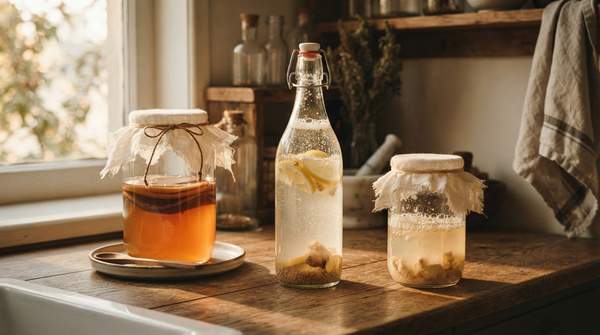
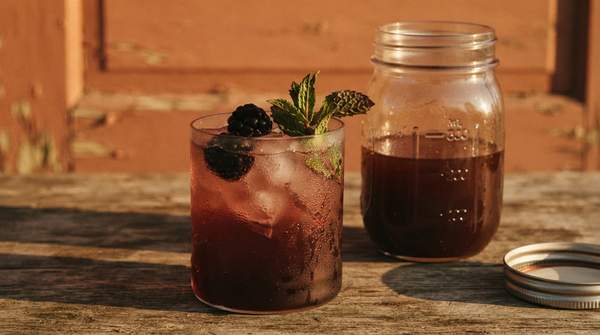
To enhance flavor, incorporate fresh herbs such as rosemary or mint, muddled fruits like berries or citrus, and a judicious touch of acidity from vinegars or shrubs. The goal is to create layers of taste that evolve with each sip, skillfully avoiding overly sweet profiles.
What ingredients are essential for non-alcoholic cocktails?
Essential ingredients include fresh citrus (lemons, limes), quality sweeteners (agave, simple syrup), and aromatic components like bitters or spices. Serious Eats, having tasted and reviewed 20 nonalcoholic spirits, aperitifs, and cocktails, confirms the robust variety of high-quality base ingredients now readily available. This signifies a mature market, ripe for innovative mixology.
If current trends persist, the hospitality industry will likely find sophisticated non-alcoholic offerings to be not just a choice, but a cornerstone of future profitability and inclusive guest experiences.