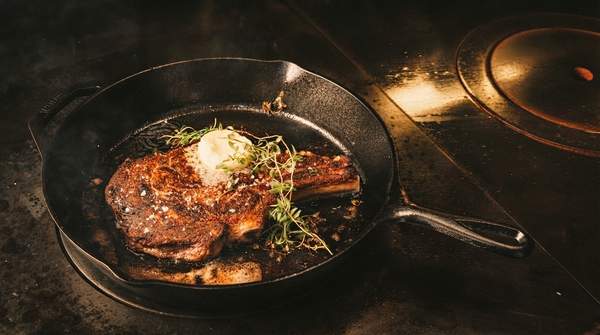
The Maillard reaction is a fundamental chemical process in cooking, responsible for the rich, complex flavors and appealing browning in many foods. Often mistakenly described as just "browning," this reaction is a complex series of interactions between amino acids (the building blocks of proteins) and reducing sugars, producing hundreds of new flavor compounds and colors that are rarely found in raw ingredients, as noted by Modernist Cuisine. Understanding how to manipulate key variables like temperature, pH, moisture, and the specific types of amino acids and sugars present allows home cooks to intentionally develop desired flavors and colors across a wide range of dishes.
This chemical transformation is, by far, the most widely practiced chemical reaction in the world, according to chemistry Nobel Prize winner Jean-Marie Lehn, as reported on Wikipedia. It is the secret behind the savory crust on seared meats, the golden hue of baked goods, and the deep notes in roasted coffee and fried onions. By mastering its principles, you can elevate your everyday cooking from good to extraordinary, transforming raw ingredients into dishes with profound depth of flavor.
Temperature and Moisture: The Catalysts of Flavor
Temperature is a critical factor in initiating and controlling the Maillard reaction. The reaction generally requires temperatures above a certain threshold, often cited around 140°C (285°F), with higher temperatures accelerating the process. For instance, searing meat at high heat is crucial for developing a flavorful brown crust. However, there is a fine line: exceeding approximately 180°C (355°F) can lead to pyrolysis, or burning, which produces bitter, black compounds and may even be carcinogenic, according to Modernist Cuisine. This means precise temperature control is vital to achieve desirable browning without undesirable charring.
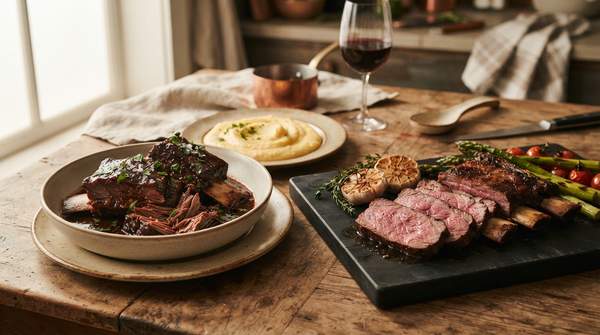
Moisture content also plays a significant role in the Maillard reaction. The reaction is inhibited by high water activity, meaning a dry surface is essential for effective browning. When searing meat, patting it thoroughly dry before cooking helps achieve that desirable crisp, brown crust. If the surface is too wet, the energy goes into evaporating the water rather than heating the surface sufficiently for the Maillard reaction to occur. Similarly, in baked goods, surface drying during the baking process allows the Maillard reaction to proceed effectively, contributing to the formation of a crisp, flavorful crust. Controlling moisture ensures the reaction proceeds efficiently, leading to optimal flavor and color development.
The pH Factor: Unlocking Deeper Flavors
The acidity or alkalinity (pH) of your cooking environment significantly influences the rate and outcome of the Maillard reaction. The reaction proceeds faster in alkaline conditions, meaning a higher pH can accelerate browning and flavor development. Home cooks can leverage this principle to enhance results in certain dishes, creating deeper flavors in a shorter amount of time.
For example, Modernist Cuisine suggests that adding a small amount of baking soda, an alkaline ingredient, can dramatically accelerate Maillard reactions in soups and purees, such as French onion soup or caramelized carrot soup. This technique can achieve browning and deep Maillard flavors in just 20 minutes, compared to hours of traditional slow caramelization. Similarly, in baking, alkaline ingredients like bicarbonate of soda can lead to quicker and deeper browning of dough, as noted by A Matter of Nourishment. By understanding and manipulating pH, you gain another powerful tool for flavor control in your kitchen.
Amino Acids and Sugars: The Building Blocks of Taste
The specific flavor compounds produced by the Maillard reaction depend heavily on the types of amino acids and reducing sugars present in the food. The reaction requires both amino acids, which are the building blocks of proteins, and reducing sugars to occur, as explained by A Matter of Nourishment. Different combinations of these building blocks, along with temperature, moisture content, and time, lead to a wide array of flavors and colors.
For instance, the high protein content in meat, combined with the presence of reducing sugars, contributes to the rich, savory, and meaty flavors developed during searing. In baked goods, the proteins from flour and added sugars interact to create toasted, nutty, and sweet-savory notes. Wikipedia highlights that the Maillard reaction can produce hundreds of different flavor compounds, varying based on the chemical constituents, temperature, cooking time, and presence of air. Flavorists even utilize this reaction to create artificial meat-like flavors, demonstrating the profound impact these specific building blocks have on the final taste profile of food.
Maillard Reaction Control Panel: Variables and Outcomes
This table illustrates how home cooks can manipulate key variables to achieve specific Maillard reaction outcomes in different food categories, providing a practical framework for intentional flavor development.
| Variable | Food Category | Optimal Condition/Manipulation | Expected Flavor/Color Outcome |
|---|---|---|---|
| Temperature | Meat (e.g., steak, roasts) | High heat (above 140°C/285°F) is crucial for searing. Temperatures above 180°C/355°F can lead to pyrolysis and burning. | Rich, savory, brown crust. |
| Temperature | Baked Goods (e.g., bread, cookies) | Baking at moderate to high temperatures. The reaction starts around 140°C/285°F, with higher temperatures accelerating it. | Golden-brown crust, toasted notes. |
| pH | Soups/Vegetables (e.g., French onion, purees) | Adding a small amount of baking soda (alkali) increases pH. The Maillard reaction proceeds faster in alkaline conditions. | Accelerated browning, deeper savory flavors. |
| pH | Baked Goods | Alkaline ingredients like bicarbonate of soda lead to deeper and quicker browning. | Deeper and quicker browning. |
| Moisture | Meat (e.g., searing) | A dry surface is essential for effective browning, as water inhibits the reaction. The reaction is inhibited by high water activity. | Crisp, brown crust. |
| Moisture | Baked Goods (e.g., crusts) | Surface drying during baking allows the Maillard reaction to occur, forming a crust. The reaction requires a reduction in water content to proceed effectively. | Crisp, golden-brown crust. |
| Amino Acids & Sugars | Meat | High protein content (amino acids) and the presence of reducing sugars contribute to rich, savory, meaty flavors. The specific amino acids and reducing sugars present determine the flavor compounds produced. | Rich, savory, meaty flavors. |
| Amino Acids & Sugars | Baked Goods | Flour proteins (amino acids) and added sugars (reducing sugars) combine to create toasted, nutty, and sweet-savory notes. The reaction produces hundreds of flavor compounds depending on the constituents. | Toasted, nutty, sweet-savory notes. |
By consulting this panel, home cooks can quickly identify how to adjust their cooking methods and ingredient choices to achieve desired browning and flavor profiles for a variety of dishes. It serves as a guide to understanding the interplay between these critical variables and their impact on the final culinary outcome.
Avoiding Pitfalls: Burning, Bitterness, and Nutrient Preservation
While the Maillard reaction is highly desirable for flavor development, it is crucial for home cooks to avoid undesirable outcomes that can compromise both taste and safety. As Modernist Cuisine points out, temperatures above 180°C (355°F) can lead to pyrolysis, a different kind of reaction that results in bitterness and the formation of black compounds. While some charring might be visually appealing, too much pyrolysis can produce unpleasant flavors and may even create potentially carcinogenic substances, so moderation is key.
Beyond flavor, overcooking or using excessively high heat can also have nutritional consequences. A review published by PMC highlights that the Maillard reaction's effect on nutrient density and bioavailability varies based on cooking temperature, time, and ingredients. Overcooking can cause the breakdown of nutrients or the development of potentially hazardous chemicals. Therefore, to preserve maximal nutritional density and bioavailability, it is critical to use suitable cooking procedures. This means monitoring your food closely, adjusting heat as needed, and understanding the balance between achieving delicious Maillard flavors and maintaining food quality and safety.
Mastering Maillard: Your Next Steps for Flavorful Cooking
To consistently achieve desired Maillard reaction flavors and browning, you should intentionally adjust cooking variables like temperature, pH, and moisture, and consider the inherent amino acid and sugar content of ingredients. You will know you are succeeding when you are consistently achieving desired golden-brown crusts, rich savory aromas, and complex flavors in a variety of cooked dishes.