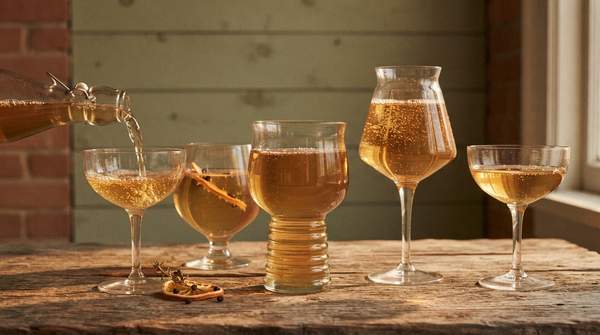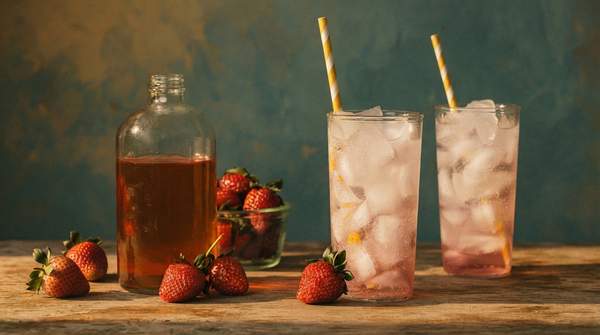
A shrub is nothing more mysterious than fruit, sugar, and vinegar, transformed by time or gentle heat into a bright syrup that captures a season in a jar. The basic arithmetic is forgiving: one part fruit to sugar and vinegar, in roughly equal measure, yields about three cups of syrup that keeps in the refrigerator. Whether you cook the fruit or let it macerate slowly in the fridge is the single biggest decision you will make, and it shapes everything from the timeline to the taste of the finished drink.
The Enduring Appeal of Shrub Syrups: A Historical Overview
The shrub began as a practical answer to a perishable problem. As the canning company Ball explains in its recipe guide, shrubs were historically made as a way to preserve fruit in a drinkable form, mixed with soda or water before refrigeration made fresh fruit available year-round. What started as a survival technique has since become a canvas: today, with different vinegars, sugars, spices, and herbs, shrubs have evolved into a way to preserve and enhance fruit flavor rather than merely rescue it.
That evolution is what gives the home shrub-maker a place in a long tradition. The same jar that once stretched a summer harvest through a winter now holds a strawberry-and-cider-vinegar syrup destined for a sparkling afternoon drink. The technique survives because it works, and because the results taste like fruit at its most vivid, sharpened rather than dulled by acid.
The Science Behind the Shrub: Flavor Extraction and Preservation
Two simple mechanisms do all the work. First, sugar draws juice out of the fruit: packed together in a jar, the sugar creates a concentration gradient that pulls water and flavor compounds out of the fruit cells through osmosis. This is why the cold-process recipes instruct you to wait until the sugar dissolves and the fruit releases its juice, a transformation that takes one to three days of chilling.
Second, vinegar preserves what the sugar extracts. Its acidity creates an environment hostile to spoilage while contributing its own flavor, which is why the choice of vinegar matters as much as the choice of fruit. The result is a syrup that keeps in the fridge, according to the ratio-based method shared by the farm delivery service Farmers to You, which notes that each batch should keep refrigerated. Sugar extracts, vinegar protects and brightens, and time binds the two into something greater than either ingredient alone.
Choosing Your Shrub Method: Hot vs. Cold Process
The two methods trade time against freshness. The cold process simply combines fruit and sugar and lets the refrigerator do the work over several days; the hot process gently cooks the fruit with sugar and water before the vinegar goes in, collapsing the timeline to a single session on the stove. As Andrew Langford writes for Edible Vancouver Island, cooking the fruit can diminish some of its brightness and vibrancy, while the cold process takes longer but results in a fresh, light final product.
| Dimension | Cold Process Shrub | Hot Process Shrub |
|---|---|---|
| Processing Time | Longer: chill 1 to 3 days, until sugar dissolves and fruit releases its juice | Faster: fruit is gently cooked with sugar and water in one session |
| Flavor Profile | Fresh, light, and vibrant; preserves the fruit's raw brightness | Cooked fruit flavor; heat may diminish some brightness and vibrancy |
| Best For | Fruits whose fresh character you want to keep intact | Quicker preparation, or when a cooked, jammy flavor suits the fruit |
| Equipment Needed | A jar or bowl, a shake or stir, and straining equipment | A saucepan for cooking, plus straining equipment |
Read the table as a decision, not just a description: if you want the fruit to taste like itself, choose cold and plan ahead; if you want syrup tonight, choose hot and accept a softer, cooked character.
Crafting Your Flavor: Selecting Fruits, Vinegars, and Sugars
Most fruits take well to shrubbing. Ball's recipe suggests strawberries, peaches, apricots, grapes, plums, berries, or cherries, crushed before measuring. The vinegar is where personality enters. Farmers to You recommends thinking about how your fruit will pair with the vinegar's own flavor, and steers makers away from plain white vinegar, which is too intensely sharp. Apple cider vinegar is their most-used choice, while white wine, red wine, rice, Champagne, and coconut vinegars all work well; Ball's list adds balsamic and sherry vinegars to the same family of options.
Sugar is the quieter decision. White sugar lets the fruit flavor shine on its own, while brown sugar contributes a second flavor element, adding molasses warmth that suits stone fruits and berries. A balsamic vinegar can add depth to a berry shrub, though its assertive character means it should be used sparingly rather than as the default. The craft lies in pairing: delicate fruits with gentler vinegars, bold fruits with vinegars that can stand beside them.
Step-by-Step: Making Your Own Fruit Shrub Syrup
For the cold process, follow Ball's proportions: combine one cup of crushed fruit with one cup of sugar in a quart-sized canning jar, cover, and shake to mix. Chill for one to three days, or until the sugar has dissolved and the fruit has released its juice. Strain out the fruit, then stir in one cup of your chosen vinegar and transfer the syrup to a pint jar. The macerated fruit need not be wasted; Langford suggests spooning it over vanilla ice cream for a fantastic dessert.
For the hot process, Farmers to You gives a parallel ratio: one pound of fruit, one cup of sugar, one cup of water, and one cup of vinegar, gently cooked. The cold-process ratio from the same source is one pound of chopped fruit, two cups of sugar, and two cups of vinegar; each method yields about three cups of syrup. Once made, the syrup is endlessly versatile: dilute it with soda or still water, shake it into cocktails, whisk it into a salad dressing, or use it as a marinade, as Langford does with a citrus ginger shrub for prawns on the barbecue.
Enjoying Your Homemade Shrub: A Versatile Ingredient
Readers can confidently make their own fruit shrub syrups at home, choosing between hot and cold methods and customizing ingredients to create unique seasonal beverages. The measure of success is simple and immediate: successful preparation of a shrub syrup that can be mixed into drinks or used as a topping. Start with one cup of fruit, one cup of sugar, and one cup of vinegar, and within three days, you will know whether your first jar has earned its place in the fridge, and which fruit to try next.
Sources
- Ballmasonjars
- The Method: Shrubs — Farmerstoyou
- Preserving Flavour: The History and Modern Revival of Shrubs - Edible Vancouver Island — Edible Vancouver Island - Eat. Drink. Think. Local