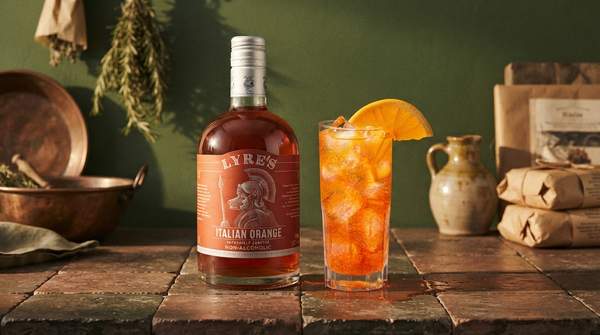
Creating a non-alcoholic spirit is not a matter of removing alcohol from gin or brewing a botanical tea. It is an engineering problem with three parts: extracting flavor without the world's most efficient solvent, rebuilding the warming "bite" that ethanol triggers in the mouth, and keeping oils and aromatics stable in a water base. Producers solve these problems with a spectrum of techniques, from centuries-old maceration to vacuum-driven aroma recovery and nano-emulsion.
The Scientific Imperative of Non-Alcoholic Spirits
Traditional spirits owe much of their character to alcohol itself. As the Swiss producer Bel Nada explains, alcohol acts as a solvent that pulls flavors out of botanicals, while also supplying the distinctive burn and mouthfeel we associate with gin, whiskey, or aperitifs. Remove it, and all three functions must be rebuilt by other means.
The scale of that task is what separates modern zero-proof products from the fruit juices and sodas of an earlier era. Writing for the spirits house Bols, a master distiller's guide describes the endeavor as "a rigorous distillation engineering challenge," one that bridges traditional distilling with analytical chemistry to make a zero-proof spirit behave, taste, and feel like the real thing. Ethanol, in that guide's words, is "nature's perfect solvent," extracting essential oils from seeds, barks, and citrus peels with remarkable efficiency.
Flavor Extraction: Beyond Simple Infusion
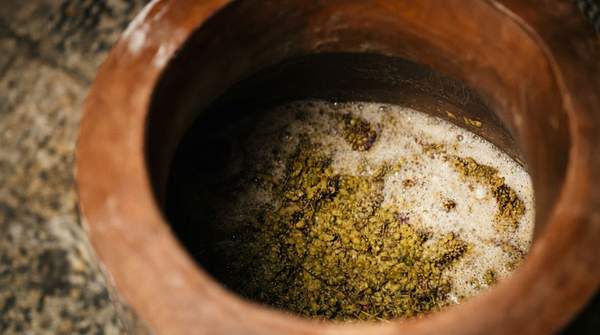
Because water is a weaker solvent, producers lean on a toolkit of physical and biological processes. Industry descriptions of the category, such as that from ANON Drinks, note that manufacturers may use techniques associated with distillation, maceration, extraction, or fermentation, depending on the product. This variety explains why one non-alcoholic drink can taste fresh and botanical while another delivers bitter, spicy, smoky, or citrus-led flavors.
At the industrial end, Spinning Cone Column (SCC) technology works as a capture-and-recovery system. According to the Bols guide, liquid cascades over rotating cones inside a vacuum, allowing producers to surgically separate and reclaim the "aroma fraction." Once the alcohol is entirely removed, that aromatic essence is folded back into the botanical base—a process the guide credits as the difference between a flat infusion and a vibrant, three-dimensional spirit.