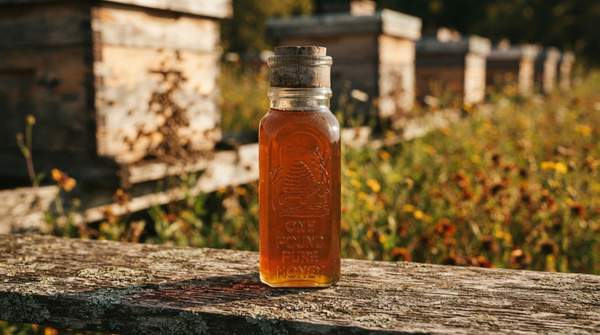
Choosing an artisanal honey is a lot like choosing a wine: the region, the bloom, and the season all leave their signature in the jar. For a delicate tea, reach for Tupelo; for a savory marinade or a wedge of blue cheese, Buckwheat is the bolder match. This guide compares four distinctive American regional honeys—Tupelo, Buckwheat, Orange Blossom, and Mid-Atlantic Wildflower—so you can select the right one for any dish or drink with confidence.
Understanding Honey's Unique Character: Floral Source and Terroir
Every honey begins as nectar, and the flowers bees visit determine much of what ends up in your spoon. A buckwheat field yields something dark, malty, and assertive; an orange grove yields something bright and citrusy. Beekeepers and food writers describe this regional influence as a kind of terroir—the way climate, location, and local ecosystems shape a honey's flavor, color, and texture.
There is also a useful distinction between monofloral and polyfloral honeys. Monofloral honeys, like Tupelo or Orange Blossom, come predominantly from one blossom, giving them a recognizable, consistent character. Wildflower honey is polyfloral: bees forage whatever is bloning nearby, so the flavor varies by place and season. As James Douglas of Huckle Bee Farms explains, sourcing across a wide Mid-Atlantic nectar range produces "a complex, nuanced honey that reflects the region's floral variety"—and that variability is precisely the charm.
Tupelo Honey: The Buttery Nectar of Florida
Tupelo honey comes primarily from the blossoms of tupelo trees growing in the wetlands of the southeastern United States, particularly the Florida panhandle. It is prized for its smooth sweetness and faint floral undertones, with a buttery texture and fruity-floral taste that regional honey guides describe as unlike any other American variety.
Its most remarkable practical trait is that it resists crystallization, thanks to its relatively high fructose content—a quality that makes it a favorite table honey, always ready to pour. That delicacy is also its pairing rule: Tupelo shines where lighter ingredients won't compete with it. Pair it with delicate teas, fresh fruit, and mild fresh cheeses such as goat cheese, letting its subtle character carry the experience rather than burying it in bold flavors.
Buckwheat Honey: A Robust and Earthy Delight
Common in the Northeast, where buckwheat cultivation has long shaped the landscape, buckwheat honey is the opposite of shy. Guides describe it as dark, with a robust molasses flavor—malty, earthy, and pungent. In a 2002 University of Illinois study, buckwheat honey showed among the highest antioxidant capacity of the honeys tested, a point honey sellers frequently cite.
In the kitchen, its assertive character is an asset—within limits. As V. Sheree Williams notes in Cuisine Noir, buckwheat honey "may overpower lighter ingredients," so it is not a substitute for mild clover honey in delicate recipes. But where strength is wanted, it excels: robust black teas and coffee-based drinks, aged and strong cheeses (the classic pairing is blue cheese), baked goods, roasted root vegetables, and hearty autumn stews. A spoonful in a marinade or glaze brings molasses-like depth to savory dishes.
Orange Blossom Honey: Citrusy Sweetness from Sun-Kissed Groves
The scent gives it away immediately: orange blossom honey carries a bright, citrusy aroma with floral undertones, a direct result of bees foraging on orange and other citrus blossoms in groves across Florida and California. The flavor matches—light and fruity with a delicate tang.
Because the citrus bloom is brief, true orange blossom honey is something of a seasonal specialty rather than a year-round staple. It pairs beautifully with yogurt, ricotta, and citrus desserts, and the National Honey Board's suggested pairing of orange blossom with fresh goat cheese has become a classic. One handling note: it tends to crystallize relatively quickly compared to other light honeys, forming fine, soft crystals. A gentle warm-water bath returns it to its smooth, floral form without harming the aroma.
Mid-Atlantic Wildflower Honey: A Taste of Local Terroir
Wildflower honey is the storyteller of the group. Because bees forage on whatever blooms across the Mid-Atlantic's diverse landscape, each jar reflects a specific place and season—complex and nuanced rather than uniform. That makes it a versatile everyday honey with genuine regional character.
In cooking, wildflower honey leans savory. It suits heartier dishes and pairs harmoniously with mustard, garlic, soy sauce, chili flakes, rosemary, black pepper, and vinegar, adding a rounded sweetness that enhances browning without making a dish taste like dessert. One practical caution from beekeepers: honey burns faster than many cooks expect, so keep the heat moderate when glazing.
Choosing Your Perfect Honey: A Comparative Guide
The table below compares the four honeys across the same dimensions—region, floral source, flavor, and pairings—so you can match the honey to your taste and your recipe at a glance.
| Honey Varietal | Primary Region(s) | Floral Source | Flavor Profile | Ideal Culinary Pairings |
|---|---|---|---|---|
| Tupelo | Florida panhandle / southeastern wetlands | White tupelo tree blossoms | Buttery, fruity-floral, delicate; resists crystallizing | Delicate teas, fresh fruit, mild fresh cheeses like goat cheese |
| Buckwheat | Northeast United States | Buckwheat flowers | Robust, dark, molasses-like, malty, earthy, pungent | Robust black teas, coffee drinks, blue and aged cheeses, baked goods, root vegetables, hearty stews, marinades |
| Orange Blossom | Florida and California citrus groves | Orange and other citrus blossoms | Bright, citrusy, light and fruity with a delicate tang | Yogurt, ricotta, citrus desserts, fresh goat cheese |
| Mid-Atlantic Wildflower | Mid-Atlantic region | Diverse local wildflowers, varying by season and place | Complex and nuanced, reflecting regional floral variety | Hearty savory dishes with mustard, garlic, soy sauce, chili flakes, rosemary, black pepper, vinegar |
Read the table as a decision tool. If your recipe is delicate—a soft cheese, a light tea, fresh fruit—choose Tupelo or Orange Blossom, whose subtle notes would be lost, or overwhelmed, beside bold ingredients. If your dish is assertive—a blue cheese plate, a root-vegetable roast, a hearty stew—Buckwheat's molasses depth or Wildflower's rounded savory sweetness will stand up to it. The reasoning is consistent: match the honey's intensity to the dish, and let the floral source echo the flavors already on the plate.
Selecting Your Artisan Honey for Culinary Success
Choose a regional American honey based on its specific flavor profile and intended culinary application, considering whether a delicate, robust, citrusy, or versatile floral note is desired. Tupelo for gentle, buttery elegance; Buckwheat for molasses-dark intensity; Orange Blossom for a bright citrus lift; Wildflower for a flexible, savory-leaning everyday jar. The measurable indicator of success is a successful pairing of a regional honey with a dish or beverage, enhancing both flavors—so start with one match from the table, taste, and adjust: if the honey disappears into the dish, move toward a bolder varietal; if it dominates, step back toward a lighter one.
Sources
- US Regional Honey You’ve Never Tasted But Should in 2025 — Smiley Honey
- How to Choose Raw Honey: A Buyer's Guide — Nettie's Bees
- Why Regional Honey is Better for You Than Local Honey — Huckle Bee Farms LLC
- 10 Different Types of Honey and Their Best Culinary Uses — Cuisine Noir Magazine
- Orange Blossom Honey (White) — Honey Blossom USA
- 35 Types of Honey: Flavors, Origins & How to Use Them - Chef's Pencil
- Orange Infused Honey vs Wildflower Honey: The Sweet Showdown — Huckle Bee Farms LLC