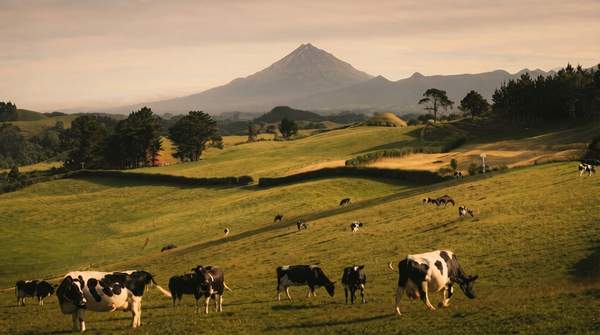
Ask a wine lover about terroir and you'll get an eager lecture about soil and sunshine. Ask a cheesemonger, and you'll get something richer. When I first started tracing why an artisan cheese tastes the way it does, I discovered that terroir—the French-derived "sense of place" borrowed from wine—goes much further in cheese, because an animal stands between the land and the wheel in your hands.
Cheese terroir rests on four interacting pillars: the land itself, the animal and its diet, the cheesemaker's hands, and the microbes that live invisibly in the dairy and its aging rooms. Understand those four, and a cheese's flavor stops being a mystery and becomes a story you can read before you taste.
What is Cheese Terroir?
Terroir, from the French terre meaning land, was coined for wine. Writing in Culture magazine, Amanda Minoff defines it as the geography, soil, and climate of a place that influences the flavor of the wine, cheese—or even meat and vegetables—produced there. For cheese specifically, she points to factors like the grass on which the animals grazed, the bacteria in the soil, and the humidity in the air.
But cheese adds a layer wine doesn't have. As Trevor Thomas observed for the Cheese Traveler, the dictionary definition of terroir stops at climate, sunlight, and soil affecting grapes. With cheese, "the animal is eating the grass/flowers/plants that grow in these regions," so the animal itself becomes part of the equation. The British cheesemonger Rennet & Rind puts the same idea more compactly: terroir binds "nature and nurture" so that the same recipe made in France and Britain yields different flavor and aroma profiles.
The Land: Climate, Geology, and Soil
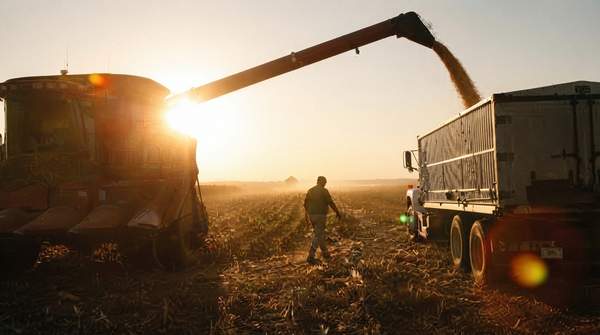
Everything starts underground. The soil determines which grasses and wildflowers can grow; the climate determines how long they flourish. Geology matters more than you might expect. In Wisconsin's Driftless region, a unique geological history and topography created a remarkable number of microclimates hosting plant species found nowhere else in the state—a fact noted in a sustainability journal study of Wisconsin artisanal cheese. Cheesemakers there described how that diverse array of forbs and grasses provided higher-quality forage for dairy livestock, which in turn shaped the unique terroir of their cheeses.
The chain is simple but easy to overlook: soil feeds plants, plants feed animals, animals produce milk, and milk becomes cheese. As one source put it, roaming animals "get their minerals from the grass, which grows from here." Strip out the local botany—replace a wildflower meadow with generic feed—and you thin the first link in the flavor chain.
The Animal: Breed and Forage
The animal is terroir's translator. Its breed shapes the raw character of the milk, and its daily diet stamps the milk with local detail—minerals, grasses, seasonal flowers. This is why climate shifts show up on the cheese board: a hot, dry summer changes what's available to graze, and the milk changes with it.
This is also where cheese terroir most sharply diverges from wine terroir. Grapes are rooted in one spot; a herd moves across a landscape, sampling its full botanical range across the seasons. Thomas admits the concept was hard to grasp until you realize that the animal's diet becomes a direct input into the final taste—something the carton of supermarket milk in your refrigerator, blended from everywhere and nowhere, deliberately erases.
The Human Element: Cheesemaking Craft and Aging
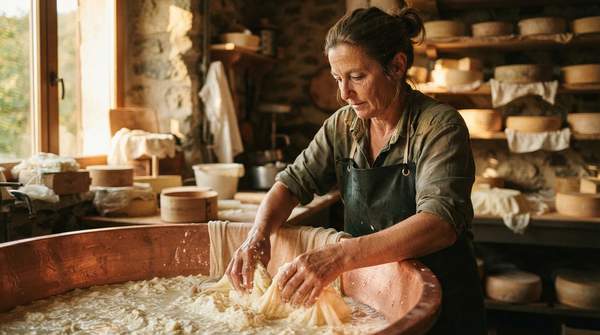
Land and animal set the potential; the cheesemaker decides how much of it survives. In that same Wisconsin study, while cheesemakers credited environmental factors, "all cheesemakers emphasized the critically important ways that specific cultural practices and producer knowledge contributed to the unique qualities" of their cheese. They spoke of refusing shortcuts, of developing a "feel" for the cheese by putting one's "hands in the vat," of knowledge so practiced it becomes second nature.
Aging is the second half of the human contribution. Rennet & Rind, which matures cheese for its partner farms, notes that terroir "encompasses everything from the pasture where cows graze to the ageing process in unique environmental conditions—cellars built inside hills," included. The aging environment isn't neutral storage; it's a flavor room.
The Unseen: Local Microbes
The quietest pillar is the one you can't visit. Bacteria in the soil, humidity in the air, and the microbial communities living in a dairy's wood, cloth, and cellar walls all leave fingerprints on the cheese. Minoff includes "the bacteria in the soil" among the factors playing a huge role in determining flavor. These invisible residents are why a raw-milk wheel aged in one place can diverge from the same recipe aged somewhere else.
I treat microbes as the ghost in the terroir machine: no label lists them, no tasting card isolates them, but they're part of what "place" actually means. The concept is well established even though, for the general reader, the specifics of species and strains belong to the microbiologists.
The Four Pillars of Cheese Terroir
Here is the framework itself, gathered from the sources into a diagnostic grid. Read any cheese's origin story through these four columns and you'll know where its character comes from.
| Pillar | What it covers | How it reaches the cheese |
|---|---|---|
| The Land | Climate, sunlight, soil, geology, local microclimates | Determines which grasses and wildflowers grow, and the minerals available to them |
| The Animal | Breed and daily forage—grasses, flowers, plants of the region | Diet shapes milk composition; seasonal changes shift the milk with them |
| The Human | Cheesemaking technique, experiential knowledge, aging conditions | Craft and the aging room—climate, materials, cellar character—develop or mute what land and animal provided |
| The Unseen | Indigenous microbes in soil, air, dairy, and cellar | Local flora stamp distinct flavor and texture that a distant copy can't fully replicate |
The pillars don't act separately; they compound. Land feeds forage, forage feeds the animal, the animal's milk meets the maker's hands and the cellar's microbes. That binding of nature and nurture is the whole mechanism of terroir.
Terroir in Action: Gruyère and English Regional Cheeses
Two examples make the model concrete. Gruyère's terroir, as Thomas recounts from Switzerland, flows from the wildflowers and grasses the cows eat in their Alpine region—elevations included—which feed directly into the cheese's overall taste. It's the classic case of local forage writing itself into a wheel.
The English examples show the human pillar at full strength. Rennet & Rind points to the historic barns where Appleby's Cheshire matures, which "imbue the cheese with the essence of Cheshire's salt marshes," and to the traditional cellars of Pitchfork Cheddar in Somerset, which foster a distinctive depth and complexity. Two British cheeses, two aging environments, two unmistakable characters—land and craft working in the same direction.
Selecting Cheese with Terroir in Mind
Readers can make more informed and appreciative cheese choices by considering the four components of terroir before they buy. When a cheesemonger hands you a wheel, ask: Where was this milk produced, and what grows there? What did the herd eat this season? Who made it, and in what was it aged? Even partial answers transform a purchase into an origin story.
The measurable indicator of success is simple to check: you can articulate the four components—land, animal, human craft, and local microbes—and use them to identify the likely influences on any cheese's flavor based on where it came from. The next time you taste an artisan cheese, name its pillars as you go. If you can trace the flavor to the pasture, the herd, the hands, and the cellar, terroir has stopped being jargon and started being a tool.
Sources
- Location, Location, Location: Understanding Terroir — culture: the word on cheese
- Cheese Traveler — The Terroir of Cheese
- The Terroir of Cheese: Exploring the Influence of Farm Location — Rennet & Rind
- MDPI