Synthetic sponges rarely last more than a few weeks before they're saturated with bacteria, a cycle of disposal that silently adds to household waste (PlasticFreePursuit). This isn't just a minor inconvenience; it's a relentless drain on resources, an escalating environmental burden often ignored in our daily lives.
Yet, countless consumers still choose cheaper, disposable kitchen items, convinced they're saving money. These choices, however, consistently lead to higher long-term costs and devastating environmental damage, trapping us in a consumption loop that harms both our wallets and our planet. This stark tension between perceived affordability and true cost defines the urgent challenge of sustainable kitchen practices in 2026.
A shift towards truly sustainable kitchen practices isn't just an environmental plea; it's a financially astute decision for every household. Though ingrained habits and a profound lack of awareness about hidden expenses may slow widespread adoption, the imperative is clear.
Plastic kitchen items, once discarded, often end their journey in landfills, where they linger for centuries, refusing to decompose (VerveCulture). This persistent, non-biodegradable waste demands an immediate overhaul of our kitchen habits. Each plastic container, every forgotten utensil, becomes a permanent mark on our planet, a legacy of pollution that will far outlast us. We must urgently confront the convenience that begets such profound, lasting ecological harm.
Defining Sustainable Kitchen: More Than Just 'Eco-Friendly'
Building a truly sustainable kitchen demands more than just grabbing items labeled "eco-friendly." It means choosing tools meticulously designed to minimize environmental harm across their entire lifecycle, from raw material to final disposal. Opting for gadgets crafted from sustainable materials directly combats deforestation and pollution. Consider renewable resources like bamboo or recycled metals: they slash our reliance on virgin materials, drastically shrinking the ecological footprint of manufacturing. This isn't about greenwashing; it's about making choices that actively heal our planet, revealing a profound shift in how we value our everyday tools.
The Smart Swaps: Everyday Tools, Lasting Impact
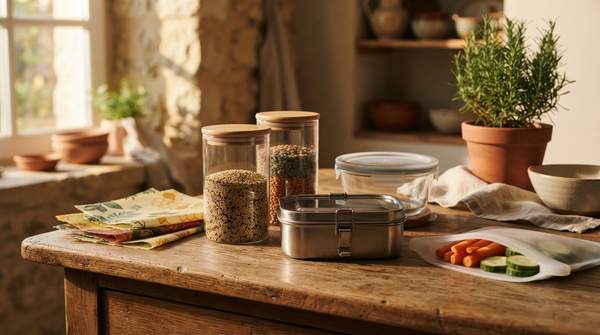
Embracing durable alternatives for common kitchen disposables unlocks significant long-term savings and drastically slashes household waste. Take reusable silicone and zippered food storage bags: they can be washed and reused hundreds of times (PlasticFreePursuit). These simple replacements for single-use plastic wraps and bags eliminate continuous, wasteful purchases. Consumers consistently underestimate the true cost of their kitchen disposables. PlasticFreePursuit's stark observation that synthetic sponges last merely "a few weeks" reveals households are likely bleeding money on hidden, recurring expenses that dwarf the initial cost of durable, sustainable alternatives. These smart swaps aren't just an act of environmental responsibility; they are a direct, powerful investment in a more financially secure household.

Beyond the Price Tag: The True Cost of Convenience
The allure of disposable items, their perceived convenience, often blinds us to their rapid degradation and inherent hygiene risks. While synthetic sponges quickly become saturated with bacteria, demanding frequent replacement, this isn't just about a dirty sponge. It's a relentless repurchase cycle for short-lived products, a hidden tax on both our environment and our wallets. VerveCulture reminds us that plastics endure for "centuries to decompose," yet we embrace kitchen tools designed for mere weeks of use. This stark contradiction reveals the true cost of convenience: a cycle of waste that burdens our planet and drains our finances. GourmetKitchenWorks' emphasis on "durability" and "energy-efficient designs" isn't just about quality; it's a blueprint for strategic investment, actively slashing long-term household spending on replacements and utilities. The implications are clear: choose wisely, or pay endlessly.
Common Questions About Sustainable Kitchens
How to properly maintain kitchen tools for longevity?
Proper maintenance dramatically extends the life of sustainable kitchen tools, transforming them from purchases into lasting investments. Regularly oiling wooden cutting boards, for instance, prevents warping. Hand-washing cast iron cookware actively wards off rust. Adhering to manufacturer guidelines for materials like bamboo or stainless steel guarantees their durability and peak performance for decades.
What materials are best for sustainable kitchen tools?
The optimal materials for sustainable kitchen tools are bamboo, stainless steel, cast iron, glass, and silicone. Bamboo, a rapidly renewable resource, offers incredible versatility. Stainless steel and cast iron boast exceptional durability and are fully recyclable. Glass storage containers are non-toxic and endlessly reusable, while food-grade silicone provides unmatched flexibility and longevity. These choices aren't just materials; they're commitments to a healthier kitchen and planet.
Where can I find sustainably sourced kitchen tools in 2026?
Sustainably sourced kitchen tools are increasingly accessible. Seek them out at specialized eco-friendly retailers, both online and in local shops, and through brands transparently prioritizing ethical production. Remember, these products are a smart investment due to their inherent durability, drastically reducing the need for replacements, and their energy-efficient designs that actively lower utility bills (GourmetKitchenWorks). Always scrutinize for certifications or clear transparency in sourcing to ensure genuine sustainable practices, not just marketing.
Your Kitchen, Reimagined: A Sustainable Future
Even seemingly minor shifts in kitchen habits can collectively forge a profoundly more sustainable and cost-effective household. The outdated narrative that sustainable kitchen tools are simply an "eco-friendly" indulgence utterly misses the critical, undeniable financial benefit. By consciously choosing durable, reusable items, households don't just reduce waste; they actively dismantle the long-term environmental burden of plastic pollution. This isn't merely safeguarding our planet; it's fortifying our financial resilience. If current trends continue, by Q4 2026, initiatives like the 'Green Kitchen Challenge' from Worldchefs, aiming to educate over 100,000 households on sustainable cooking solutions, will likely prove that informed choices are the most powerful catalyst for change.