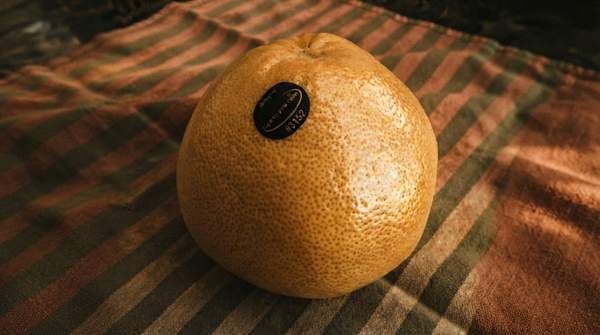
Not all pomelos are interchangeable, and the difference matters most at the market stall. If you're planning a Thai salad, a Hong Kong–style dessert, or simply a juicy fruit to peel and eat, the variety you choose shapes the result. Based on the descriptions gathered here, three stand out as practical picks: Thongdi, the sweet, pinkish-red Thai favorite; Kao Phuang, a pear-shaped, mildly sweet type with very low bitterness; and Melogold, a juicy pummelo hybrid prized for sweetness with little bitterness.
One caveat before you shop: these are general characteristics. Ripeness and growing conditions shift flavor and texture, and this guide covers only the varieties described in the sources consulted—it is not an exhaustive catalog of every cultivar. Think of it as a starting framework for matching fruit to dish.
Thongdi (Red) Pomelo: Sweetness with a Hint of Color
Thongdi is the showstopper of the group. According to Pomelos.org's variety guide, this Thai variety carries deep pink to red flesh and sits at the sweeter end of the red pomelo spectrum. It's one of the most popular pomelo varieties in Southeast Asian domestic markets, and it's prized specifically for its balance of sweetness and acidity.
The same guide notes that Thongdi is juicier than white-fleshed varieties, with moderate tartness, a round shape measuring five to seven inches, and a yellowish-green, relatively smooth skin. Its season runs August through January, so a farmer's market visit in that window is your best bet. Seeds are moderate, so expect a few but not a battle.
In the kitchen, that sweet-tart balance is what makes Thongdi so flexible. Pomelos.org's recipe collection observes that pomelo's sweet, mild flesh works in salads, desserts, drinks, and savory dishes—categories where a fruit with balanced acidity, like Thongdi, can carry both sweet and savory company.
Kao Phuang Pomelo: Mild, Clean, and Low on Bitterness
Kao Phuang is the quiet achiever. Pomelos.org describes this Thai variety as distinctive for its pear shape, with white to pale green flesh offering a mildly sweet, clean citrus taste and very low bitterness. It's larger and more elongated than honey pomelo, and its rind stays green even when fully ripe—so don't let the color fool you at the stall.
That low bitterness is the variety's real selling point. For eaters who find some citrus pith too assertive, Kao Phuang's clean profile makes it an easy fruit to enjoy out of hand, and its mildness means it won't dominate a dish where pomelo is one ingredient among several.
There is one drawback worth flagging, and Pomelos.org is blunt about it: Kao Phuang is a seedy variety. If you're segmenting fruit for a salad, budget a few extra minutes of knife work. The payoff is a gentle, refreshing citrus flavor that suits fresh preparations where you want sweetness without sharpness.