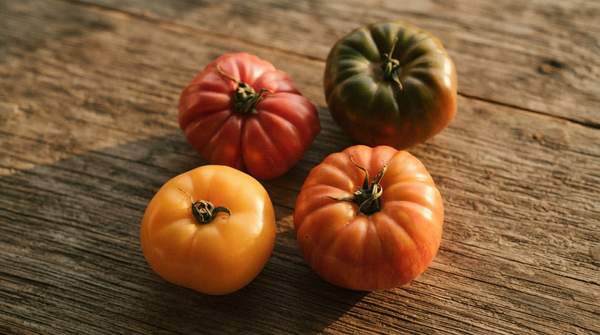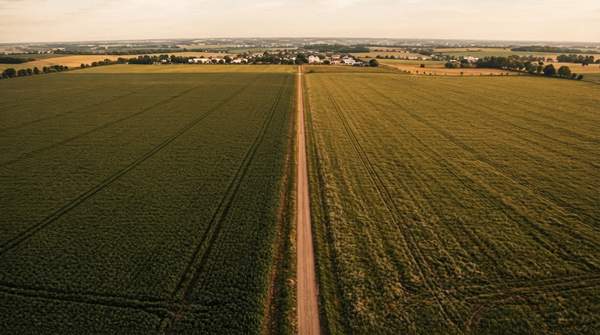
Community Supported Agriculture (CSA) offers a unique way for local food enthusiasts to connect directly with their food source. It's a farm business model where consumers become members by pledging support to a farm operation, often by purchasing a share of the harvest in advance. This arrangement transforms the farmland, in spirit if not legally, into a community's farm, fostering mutual support between growers and consumers who share both the risks and benefits of food production.
Joining a CSA means you're not just buying groceries; you're investing in a farm's growing season, providing crucial upfront capital for seeds and other inputs. In return, you receive a regular share of the farm's bounty. Understanding the various operational models, weighing the benefits against potential drawbacks, and knowing how to choose the right farm are key steps to a rewarding CSA experience.
What is Community Supported Agriculture (CSA)?
At its core, Community Supported Agriculture is a direct marketing model that builds a relationship between a farmer and the people who eat their food. Consumers become CSA members by paying an agreed amount at the start of the growing season, either as a lump sum or in installments, as explained by NC State Extension's Growing Small Farms. This upfront payment is vital for farmers, providing immediate income to cover initial costs like seeds and other necessary inputs for the season.
The National Agricultural Law Center highlights that this model means consumers sponsor the farm's growing season costs by purchasing a membership and, in return, receive a share of the season's harvest. This arrangement means members share in the risks, such as a poor harvest due to unfavorable weather or pests, as well as the successes. As Suzanne DeMuth noted in a 1993 bibliography, members share in these risks, understanding that a refund may not be issued if crops fail.
This mutual commitment is central to the CSA philosophy. Elizabeth Henderson, with Robyn Van En, summarized it as "food producers + food consumers + annual commitment to one another = CSA and untold possibilities." This partnership helps distribute potential risk for farmers; for instance, if a major drought occurs, all CSA members share in the impact of a reduced harvest, according to NCAT.
Common CSA Operational Models
CSA farms employ various methods to distribute their harvest shares, offering flexibility for both farmers and members. NC State Extension's Growing Small Farms identifies several common distribution models. One popular option is on-farm pick-up, where members visit the farm directly to collect their shares. This method often provides an opportunity for members to see where their food is grown and interact with the farmers.
Another common approach involves central distribution sites, such as community centers, workplaces, or other convenient locations, where members can pick up their shares. Some CSAs also utilize farmers' market distribution, allowing members to collect their pre-packed shares during regular market hours, sometimes even offering a choice of items. For added convenience, home delivery is an option provided by some CSAs, bringing the harvest directly to members' doors.
Beyond the core produce, some CSAs diversify their offerings. Growing Small Farms notes that farms might offer additional products like cut flowers, baked goods, canned items, poultry, eggs, meat, dairy, fiber, honey, and beeswax products. Some CSAs even supplement their own harvest by offering products from other local farms, which can increase product diversity and convenience for members, though it may involve extra labor and bookkeeping for the farm.
Benefits of Joining a CSA
Becoming a CSA member offers a wealth of advantages for local food enthusiasts, extending beyond just receiving fresh produce. A primary benefit is gaining access to high-quality, fresh, in-season food, as highlighted by NCAT. This often means produce picked at its peak, offering superior flavor and nutritional value compared to items that travel long distances.
Members also enjoy a direct connection with the farmer and the food system. The National Agricultural Law Center points out that this direct link provides transparency about how food is produced. Many CSA members take pleasure in knowing exactly where and how their food is grown and often have an open line of communication with their farmer, according to NOFA-VT. This fosters a sense of community, inviting members to share in the experiences of growing, eating, and celebrating farm-fresh food.
Beyond personal benefits, joining a CSA means actively supporting local agriculture. NCAT notes that members support alternative or organic farming practices, contributing to a healthier environment. The prepaid CSA arrangements provide financial security for farmers, and this direct relationship can sometimes result in lower prices for consumers compared to retail, as NOFA-VT suggests. These benefits collectively foster transparency and community engagement, making the CSA experience a holistic one.
Potential Drawbacks and Risks
While the benefits of CSA membership are compelling, it's important for consumers to understand the potential drawbacks and risks involved. One significant aspect is sharing the harvest risk with the farmer. As NCAT explains, members are impacted by factors like poor harvest due to unfavorable weather or pests. The National Agricultural Law Center further clarifies that since shareholders pay for food prior to planting, they assume the risk of crop failure, pests, and natural disasters, understanding that a refund may not be issued if crops are not harvested.
Another common challenge for consumers is the limited choice in produce. Unlike a grocery store, a CSA share typically consists of whatever is in season and abundant on the farm that week. This means members might receive vegetables they are less familiar with or in quantities that require creative cooking. While some CSAs offer a choice of items or allow members to swap, the overall selection is dictated by the farm's harvest.
The financial structure of a CSA also presents a consideration: the requirement for upfront payment. Members typically pay for their share at the beginning of the growing season, which can be a substantial sum, ranging from $400-$700 depending on the season's length and product variety, as noted by NC State Extension's Growing Small Farms. This financial commitment is a risk for the consumer, as the crop has not yet been planted or harvested. Additionally, some CSAs may include a labor requirement, asking members to volunteer a certain number of hours on the farm, which can be a time commitment, according to the National Agricultural Law Center.
CSA Farm Selection Checklist
Choosing the right CSA farm involves evaluating several key aspects to ensure it aligns with your preferences and lifestyle. A clear, written member agreement is crucial for establishing expectations and understanding the farm's operations, as emphasized by the National Agricultural Law Center. This checklist provides a structured approach to compare potential CSA options.
| Aspect | Consideration | Why it Matters for You |
|---|---|---|
| CSA Model | What type of distribution does the farm offer? (e.g., on-farm pick-up, central site, farmers' market, home delivery) | Ensures the pick-up or delivery method fits your schedule and convenience. |
| Share Options | What share sizes are available (e.g., full, half, weekly, bi-weekly)? Are there options for additional products (e.g., eggs, meat, flowers)? | Matches the quantity of produce to your household's needs and dietary preferences. |
| Pickup/Delivery Logistics | What are the specific days, times, and locations for share collection? What happens if you miss a pickup? | Confirms the logistics are manageable and provides clarity on missed shares. |
| Farm Practices | Does the farm use organic certification? What are their growing methods? | Aligns with your values regarding food production and environmental stewardship. |
| Cost/Payment Structure | What is the total cost of the share? Are installment plans or subsidies available? | Helps you budget and understand the financial commitment. |
| Member Agreement | Is there a clear, written agreement detailing all terms, risks, and expectations? | Provides transparency and manages expectations regarding harvest risks and farm operations. |
Making Your CSA Choice
Selecting a CSA farm is a personal decision that should reflect your individual needs, values, and logistical preferences. By systematically evaluating potential farms using criteria such as their operational model, share options, distribution logistics, farm practices, and payment structure, you can make an informed choice.
The most important step in finalizing your decision is to ensure you receive a clear, written member agreement from the chosen CSA farm. This agreement should detail all aspects of your membership, including share options, distribution methods, payment schedules, and the farm's specific practices. This measurable indicator confirms that expectations are established and understood by both you and the farm, setting the stage for a successful and rewarding season of fresh, local food.
Sources
- Community Supported Agriculture (CSA) Resource Guide for Farmers - Growing Small Farms
- Community Supported Agriculture: A Field Guide for Producers and Consumers (Intro) – National Agricultural Law Center — Nationalaglawcenter
- Community Supported Agriculture – NCAT
- What is a CSA and why should you sign up for one? — NOFAVT