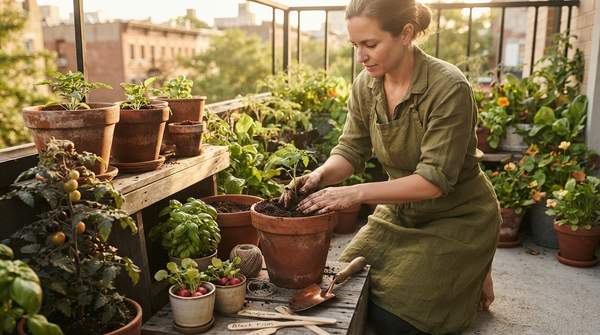
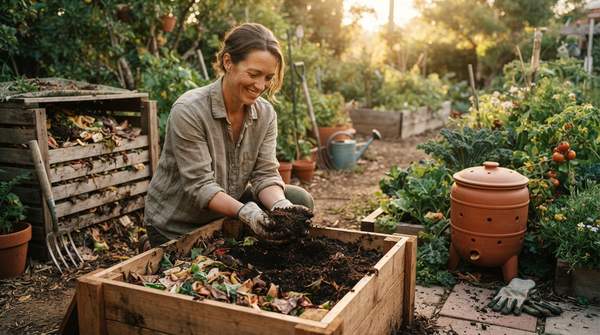
Less than 3% of urban agriculture activity in Los Angeles County occurs in food desert communities, despite the widespread assumption that these gardens primarily serve the food insecure, according to sustainablela. This stark figure challenges the narrative of urban community gardens as a primary solution for food access in vulnerable areas . This limited reach means the very neighborhoods struggling with food affordability and access to fresh produce are largely bypassed.
Urban agriculture is lauded for its potential to enhance local food access and environmental health, but its current footprint largely misses the communities most impacted by food insecurity. The disconnect between public perception and actual impact creates a critical challenge for urban planners and food policy advocates.
Without significant policy shifts and targeted investment, urban agriculture risks becoming a gentrifying amenity rather than an equitable solution for food access, potentially exacerbating existing disparities. This calls into question the effectiveness of current approaches in addressing systemic food insecurity.
The notion that urban community gardens significantly impact food security in vulnerable areas faces a stark reality: less than 3% of urban agriculture activity in Los Angeles County occurs within designated food desert communities, as reported by sustainablela. This geographic disparity points to a profound failure in delivering fresh produce where it is most needed. Food insecurity itself functions as a feature of systemic racism, with both food affordability and distance to available food sources acting as major barriers for residents, according to pmc. Current urban agriculture initiatives are not addressing the root causes of inequitable food access.
Even if these gardens were perfectly situated, their impact on food supply would remain limited. The average annual crop yield from four major urban agriculture sites in Los Angeles County measured only 1.9 pounds per square foot per year, as calculated by sustainablela. This meager yield suggests that urban gardens are largely a symbolic gesture, offering minimal substantive impact on food supply even if they were perfectly targeted. The data from Los Angeles County reveals a critical disconnect: current urban agriculture initiatives, despite policy support, are effectively subsidizing green spaces in affluent areas rather than delivering food security where it is most desperately needed.
The Promise of Green Spaces and Policy Support
Beyond food production, urban agriculture offers clear environmental advantages. Urban agriculture sites in Los Angeles County demonstrate an average water reduction of 40.6% compared to traditional lawn use, according to sustainablela. Such ecological benefits are often cited when advocating for these projects. Policy frameworks also aim to bolster urban farming efforts; for example, the Urban Agriculture Incentive Zone (UAIZ) program allows for the use of vacant land for small-scale agriculture, according to growingfoodconnections. This program is designed to transform underutilized urban plots into productive spaces.
Furthermore, the UAIZ program offers a reduced property tax assessment for participating property owners, according to growingfoodconnections. This incentive aims to make urban farming financially attractive for landowners. While these policies intend to promote urban agriculture, they are not effectively steering activities towards areas most in need of food access. A fundamental flaw in program design or implementation is that these incentives appear to benefit property owners in more affluent areas, rather than catalyzing food security in vulnerable communities.
Who is Actually Gardening? A Demographic Disconnect
The demographic makeup of urban gardeners often diverges from the profile of the most food-insecure populations. A study examining urban agriculture revealed that most gardeners, 59.9%, were men, according to pmc. This statistic challenges the common perception that urban gardens universally serve the most vulnerable households, which often include single mothers or elderly individuals.
Moreover, a significant majority of gardeners, 74.4%, were under 65 years of age, as reported by pmc. The demographic data from pmc suggests that urban gardens are primarily serving a relatively stable, younger, and male-dominated population. They are failing to reach the most vulnerable, often elderly or extremely low-income individuals disproportionately affected by food insecurity. Current urban agriculture initiatives are not effectively reaching the communities and individuals most in need of enhanced food access.
Economic Realities and Program Reach
While urban gardening often draws individuals seeking fresh produce, the economic profiles of participants reveal complexities. A study showed that 30.5% of gardeners had an annual income under €11,999, according to pmc. A segment of urban gardeners does experience economic hardship. However, this figure also means that nearly 70% of gardeners earn above this threshold, further supporting the idea that these gardens are not exclusively serving the most impoverished.
Innovative models like the Oakland Avenue Urban Farm (OAUF) in Michigan attempt to broaden access through programs such as a 'Harvest on Demand' option with local farmers markets, according to aag. While such efforts are commendable in bridging the gap between urban agriculture and broader food access, they remain isolated. These initiatives do not overcome the systemic issue of gardens being located outside food deserts. The overall picture suggests that while some urban gardeners face economic hardship, and innovative market programs exist, these initiatives do not inherently bridge the gap to the most food-insecure communities, suggesting a need for more targeted interventions.
Rethinking Urban Agriculture for Equitable Food Security
The current trajectory of urban agriculture, while offering environmental benefits and some community engagement, largely bypasses the critical need for food security in vulnerable urban areas. The evidence suggests that policy frameworks, such as the UAIZ program, are failing to direct activity towards food-insecure areas. A critical disconnect exists between legislative intent and actual impact on vulnerable communities. Urban community gardens, rather than acting as a lifeline, often function as amenities for middle-class residents, perpetuating a system where those most in need remain underserved.
To genuinely address food insecurity through urban agriculture, a fundamental shift in strategy is required. Policies must be redesigned to mandate or incentivize garden placement within food deserts, coupled with programs that actively engage and support residents facing systemic barriers to food access. This includes providing resources, training, and secure land tenure for communities that have historically been excluded. Without these deliberate interventions, urban agriculture risks exacerbating existing disparities, becoming a symbol of green gentrification by 2026. For example, a non-profit like Food Forward could leverage these insights to redirect its urban gleaning programs, aiming for a 50% increase in food distribution to designated food deserts by Q4 2026, directly addressing the geographic disparity identified by sustainablela.