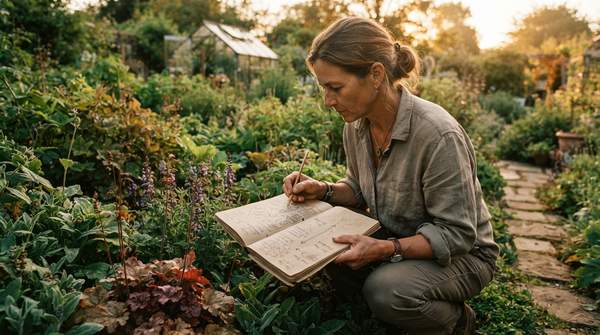
Every garden, no matter its size, is a mosaic of unique, localized conditions that differ from the surrounding area. These "microclimates" are the reason one corner of a yard might be a sun-baked haven for tender herbs while another, just feet away, is a frost-bitten trouble spot. According to The Micro Gardener, a publication focused on small-space gardening, understanding these miniature climates is one of the most significant factors in growing healthy plants. By learning to act as a "detective" in your own yard, you can discover hidden opportunities and challenges, allowing you to place plants where they will truly thrive.
A microclimate is created by the interplay of sun, shade, wind, water, and physical structures. A brick wall that absorbs and radiates heat, a low-lying dip where cold air settles, or a sheltered nook protected from harsh winds all create distinct growing zones. Identifying these areas allows a gardener to move beyond general climate guidelines and work with the specific conditions of their own landscape. This detailed knowledge transforms garden planning from a game of chance into a strategic practice, leading to more successful and abundant harvests.
Your Garden Microclimate Map: A Diagnostic Framework
Mapping your garden's unique zones requires no special technology, but rather careful observation over time. The Royal Horticultural Society suggests a systematic survey of your property's features to find everything from "sheltered warm spots" to "exposed windy corners." By sketching a simple map of your yard and annotating it with the observations below, you can build a powerful tool for making smarter planting decisions. For the most complete picture, walk your garden at different times of day and throughout the seasons, noting how light, shadow, and moisture change.
| Environmental Factor | What to Observe | Potential Microclimate Zone |
|---|---|---|
| Sun Exposure & Aspect | Track the sun's path across your garden from sunrise to sunset. Note which areas receive gentle morning sun versus intense afternoon heat. Use a compass to determine the orientation of slopes and walls, and observe how shadows cast by buildings, trees, and hedges shift throughout the day and year. |
Hot spot, cool shade, partial shade, morning sun zone |
| Wind & Airflow | Observe where winds are strongest. The Royal Horticultural Society notes that trees in exposed areas may lack top branches or bend away from the prevailing wind. Identify corridors between buildings or dense shrubs that might channel and accelerate airflow, as well as areas sheltered by fences, walls, or high ground. |
Wind tunnel, exposed corner, sheltered nook |
| Topography & Drainage | Identify the high and low points in your yard. According to the Royal Horticultural Society, cold air is dense and on still nights "literally flows downhill to collect at low points," creating frost pockets. Note where water pools after rain or where sloped ground dries out quickly. A Washington State University Extension guide points out that gardens on hills may have soil that drains well and warms early. |
Frost pocket, well-drained slope, damp area |
| Structures & Surfaces | Assess the impact of buildings, walls, fences, and paved surfaces like patios or paths. These structures can block sun and wind, but they can also absorb heat during the day and radiate it back at night, creating warmer zones that buffer against light frosts. |
Radiant heat zone, rain shadow, protected corner |
| Soil Characteristics | Examine the soil in different parts of the garden. A guide from Washington State University Extension highlights the importance of assessing soil depth, texture, and its capacity to hold moisture. Note areas with deep, rich soil versus those with shallow, rocky, or sandy soil that drains quickly. |
Dry/sandy patch, rich/loamy bed, heavy clay area |