If you dream of a garden where destructive insects are managed without toxic sprays, the solution may be closer than you think. By cultivating a balanced ecosystem, you can attract an army of beneficial insects—allies that are likely already in your area—and let them do the pest control work for you. This approach, central to design systems like Permaculture, mimics nature to create a resilient garden that relies on its own internal systems. Not all bugs are bad for the garden; the key is to invite the "good bugs" that prey on the ones that damage your plants.
The Power of a Living Garden Ecosystem
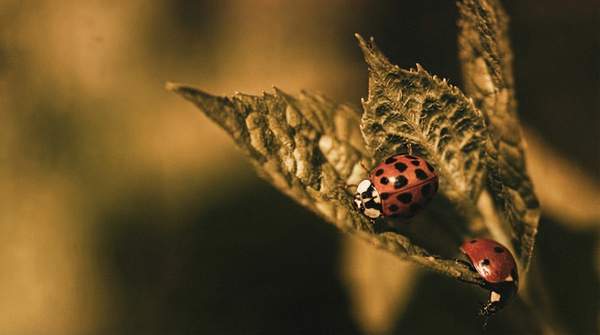
A garden teeming with beneficial insects is a dynamic, self-regulating environment. Unless you regularly use broad-spectrum insecticides, these helpful creatures are already more active than you probably realize, according to Penn State Extension. They generally fall into two categories: predators and parasitoids. Predators are the more familiar hunters, like lady beetles, that consume various garden pests. Parasitoids, on the other hand, employ a more intricate strategy. These are often tiny wasps or flies that lay their eggs in or on a host insect.
When the eggs hatch, the larvae consume the host from the inside, eventually killing it. A common sign of this process is the presence of "mummies"—the swollen, tan-colored remains of aphids left behind after a new adult parasitic wasp has emerged from the aphid's body. According to Oregon State University's Extension Service, building a habitat that supports these complex life cycles is far more effective for long-term pest control than purchasing and releasing commercial insects, which may not survive without the specific conditions they need.
Meet Your Garden's Allies
Getting to know your garden's most valuable defenders is the first step toward inviting them in. Many are easily recognizable, like lady beetles, but others are masters of disguise. Some of the most effective parasitic wasps are smaller than the period at the end of this sentence, while certain beneficial flies closely resemble common houseflies. Understanding the needs of a few key groups can transform your approach to pest management, turning your garden into a sanctuary for these essential allies.
Beneficial Insect Quick Reference Guide
| Beneficial Insect | Target Pests | Attractor Plants (for adults) | Habitat Needs (for larvae/overwintering) |
|---|---|---|---|
| Parasitic Wasps | Aphids. Aphidid wasps, a type of braconid wasp, leave behind distinctive tan, swollen "mummies" after the new adult wasp emerges. | Adults feed on pollen and nectar from plants with small, flat-topped flowers, such as those in the carrot family: dill, parsley, cilantro, and Queen Anne's lace. | Larvae develop inside their host insects, so a population of pest insects is required for their survival. |
| Lady Beetles | Various garden pests. | Adults are attracted to plants in the Aster family. | They require permanent plantings for shelter, overwintering in turf, clumps of native grasses, or under leaf litter. |
| Tachinid Flies | A wide range of pests, including caterpillars (such as leafrollers and cutworms), beetles, grasshoppers, and true bugs. | Adults feed on insect honeydew and the nectar of small, open blossoms like dill and cilantro. | They typically overwinter as mature larvae inside a host insect or as pupae in the soil or leaf litter. |
Cultivating a Haven: The Three Essentials for Survival
To establish a lasting population of beneficial insects, you must create a stable, year-round habitat that provides for every stage of their lives. This goes beyond simply planting a few flowers; it involves thoughtfully providing three essential components: a consistent food supply, protective shelter, and a safe source of water.
The adults of many beneficial species, including parasitic wasps and tachinid flies, feed primarily on pollen and nectar. Penn State Extension advises planting a wide variety of flowers to ensure something is in bloom from early spring until late fall. This creates a reliable food source that sustains beneficial populations even when pest numbers are low. Plants from the carrot family—such as dill, cilantro, fennel, and Queen Anne's lace—are particularly effective. Their small, flat-topped flowers are perfectly suited for tiny parasitic wasps to access, according to UC Agriculture and Natural Resources. For larger predators like lady beetles, incorporating plants from the aster family into your garden beds is an excellent strategy.
Shelter is just as critical, especially for surviving the winter. Permanent, undisturbed plantings like trees, shrubs, and even low-maintenance turfgrass provide a crucial refuge for overwintering insects. Clumps of native grasses are also excellent overwintering sites for a variety of predators. Leaving some leaf litter on your garden beds can provide a safe place for insects like tachinid flies, which may spend the winter as pupae in the soil or litter. These permanent features ensure that your allies have a place to live, reproduce, and re-emerge year after year.
Finally, all insects need water. A simple, shallow dish of water filled with pebbles or gravel creates a safe place for small beneficials to drink without the risk of drowning. Placing this water source in a sheltered area of your garden makes it an accessible and life-sustaining resource for your insect army.
Your Thriving Garden Ecosystem
By shifting your focus from eliminating every pest to cultivating a balanced environment, you can foster a self-sustaining population of natural allies. A healthy garden will always have some pests; they are a necessary food source for the predators and hosts for the parasitoids you want to attract. The most critical step in protecting this delicate balance is to avoid broad-spectrum insecticides, which kill beneficial insects just as effectively as they kill pests, undoing all your hard work.
To build this thriving ecosystem, you should implement a diverse planting strategy and maintain year-round habitat elements to foster a self-sustaining population of beneficial insects for natural pest control. The success of your efforts will become clear over time, with a simple, observable outcome. The measurable indicator of a healthy garden ecosystem is reduced pest damage on plants and increased sightings of beneficial insects (e.g., lady beetles, parasitic wasps, tachinid flies) in the garden. This patient, nature-led approach not only manages pests effectively but also creates a more resilient, vibrant, and fascinating garden.
Sources
- Attracting Beneficial Insects — Extension
- Encouraging beneficial insects in the garden — OSU Extension Service
- How to Get an Army of Beneficial Insects to Protect Your Garden — UC Agriculture and Natural Resources