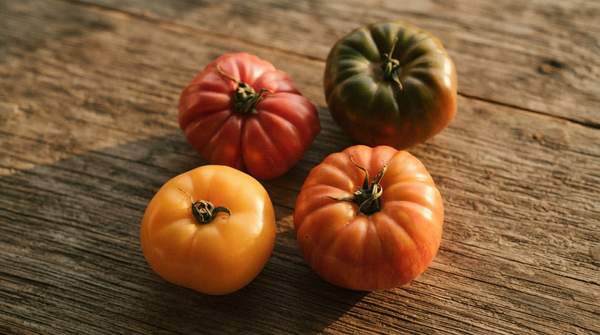
Despite their revered status among gardeners and foodies, the term 'heirloom' is entirely unregulated. This means any fruit or vegetable can legally bear the label, according to Bonappetit. Consumers associate heirloom tomatoes with traditional purity and genetic stability, but this lack of legal definition allows broad commercial interpretation and modern interventions. This tension means consumers must become more discerning about their purchases. The industry appears set to prioritize commercial flexibility over strict traditional definitions, potentially misleading those who expect genetic integrity.
Defining 'Heirloom': Tradition vs. Hybrid
True heirlooms reproduce true to type, generation after generation, from saved seeds. This genetic stability maintains specific traits, flavors, and appearances. In contrast, hybrid tomatoes result from cross-pollinating two different parent plants. You cannot be certain what kind of tomato will grow from a hybrid seed, according to Westerngardens. This unpredictability makes seed saving impractical for hybrids, fundamentally distinguishing them from heirlooms. The implication? The term 'heirloom' often implies this genetic consistency, but without regulation, consumers might buy a plant that doesn't deliver on that promise.
Boosting Yields: The Rise of Grafted Heirlooms
Commercial growers increasingly adopt modern techniques. Grafted heirlooms can produce yields 30–50% greater than nongrafted heirlooms, reports Johnnyseeds. This offers clear commercial advantages, but it also introduces modern intervention into heirloom cultivation. This contrasts sharply with the traditional, self-propagating image consumers often hold. Companies using grafting redefine "heirloom," prioritizing commercial efficiency over traditional genetic purity. This shift risks diluting the very meaning of the term, pushing it further from its perceived roots.