Supporting Local Farmers in 2026: Impact & Trade-offs

A dollar of sales for a direct-market fruit or vegetable grower has about twice the local economic impact as a dollar of sales at a larger wholesale farm, according to Silt.

AW
Aisha Williams

May 15, 2026 · 4 min read

A bustling 2026 farmers market with diverse produce and happy shoppers, highlighting the positive economic and community impact of supporting local farmers.

A dollar of sales for a direct-market fruit or vegetable grower has about twice the local economic impact as a dollar of sales at a larger wholesale farm, according to Silt. Every purchase directly from a local farm generates a ripple effect, strengthening community economies far beyond the initial transaction. It shifts resources back into the hands of neighbors, fostering a more robust local financial ecosystem.

Buying local food often involves significant time and planning, presenting a challenge for busy consumers. However, its economic and environmental returns far outweigh the convenience of conventional shopping, creating a tension between individual effort and collective gain.

Consumers who overcome the initial logistical challenges of direct local food purchasing will find their efforts contribute directly to a more resilient and sustainable local food system, making it a critical investment for community well-being in 2026 and beyond.

Beyond the Basket: The Broader Impact of Buying Local

In 2026, $1 million in revenue from direct-market farms generates almost 32 local jobs, according to Silt. $1 million in revenue from direct-market farms is not just about sales; it's a direct injection of capital that supports livelihoods and creates new opportunities, weaving a stronger economic fabric for the entire community.

Beyond job creation, money spent at local farms and farmers' markets tends to stay within the community, supporting a network of local businesses, as noted by Sustainableagriculture Eco. Money spent at local farms and farmers' markets creates a powerful economic loop, where every dollar circulates, building wealth and resilience from the ground up, making each purchase a long-term investment in community prosperity.

Furthermore, produce grown and sold locally requires less shipping, packaging, and refrigeration – all significant contributors to greenhouse gas emissions, according to Sustainableagriculture Eco. The inherent efficiency of direct-to-consumer models offers a more holistic environmental advantage, minimizing our food supply's ecological footprint and subtly shifting consumer expectations towards fresher, less processed options.
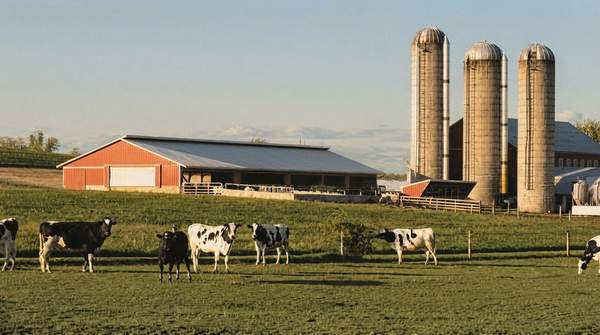
For consumers seeking ways to support local farmers directly in 2026, several avenues exist. Visiting farmers' markets remains a primary method, offering direct interaction with growers and access to fresh produce. Joining a Community Supported Agriculture (CSA) program also provides a direct link, where consumers pay an upfront fee for a share of the harvest throughout the season.

Additionally, many farms operate on-site farm stands, allowing for purchases directly from the source. These direct channels not only ensure farmers receive a larger share of the profit but also foster a deeper connection between consumers and their food sources, enhancing transparency and trust. Direct engagement can reshape our relationship with food entirely, moving beyond mere consumption to genuine appreciation.

The Realities of Local: Time, Cost, and Convenience Trade-offs

Buying local food involves time and planning, often dedicating Saturday mornings to farmers' markets, farm shops, or butchers, highlights Bbcgoodfood. The commitment of personal time stands in contrast to the speed and ease of conventional grocery shopping, demanding a shift in consumer habits that, while challenging, ultimately cultivates a more mindful approach to consumption.

Fiona Forman, a consumer, spent £140 in two weeks on local food, compared to her usual £90, according to Bbcgoodfood. While the immediate financial outlay for the individual consumer can be higher, it represents an investment in quality, freshness, and local economic vitality, challenging purely cost-driven purchasing decisions.

The tension between personal convenience and community benefit is clear. Communities prioritizing the immediate convenience of conventional grocery shopping implicitly choose to export local wealth, sacrificing a proven 2x economic multiplier for a few saved minutes. The unseen trade-off has long-term implications for local economic resilience, potentially eroding the very fabric of community support.

To navigate the practical challenges of direct local food purchasing, strategic planning can help. Consumers can consolidate their local shopping trips, making a dedicated visit to a farmers' market or farm stand a weekly ritual. Researching local farms online before visiting can also streamline the process, identifying what produce is available and what payment methods are accepted.

Embracing seasonal eating naturally aligns with local availability and can simplify meal planning. For those concerned about higher costs, consider purchasing in bulk when items are in season and preserving them through canning or freezing. Purchasing in bulk when items are in season and preserving them through canning or freezing maximizes the value of local produce and extends its enjoyment throughout the year, transforming a perceived inconvenience into a rewarding practice of self-sufficiency and resourcefulness.

How can I find local farmers near me?

To locate local farmers and markets, resources like Farmaid offer search tools that connect consumers with family farms across the country. Many regional food hubs and agricultural organizations also maintain online directories specific to their areas, detailing farm stands, CSAs, and farmers' market schedules.

What are the benefits of buying directly from farmers?

Beyond local job creation and reduced emissions, buying directly from farmers often means food has less packaging and requires less refrigeration due to shorter supply chains. The holistic environmental advantage minimizes waste and energy consumption, offering a fresher product with a smaller footprint than items traveling long distances.

What is direct-to-consumer farming?

Direct-to-consumer farming involves farmers selling their produce, meat, or other goods straight to the end consumer, bypassing intermediaries like wholesalers or grocery stores. Direct-to-consumer farming often includes farmers' markets, roadside stands, pick-your-own operations, and Community Supported Agriculture (CSA) programs, ensuring farmers retain a larger share of the revenue.

The seemingly higher price and logistical friction of local food are not market failures, but rather the true cost of investing in a resilient local economy and a demonstrably greener food system. The value proposition is largely misunderstood by the average consumer, yet its impact is profound.

If consumer awareness of local food's true economic and environmental value continues to grow, the direct-market sector will likely see sustained expansion, further embedding resilience into our food systems.