You don't need a crowded counter to build a cheese board with real range. Four regional American artisan wheels cover the essential ground: Vermont Creamery's Coupole, a soft-ripened goat cheese aged barely a week; Jasper Hill Farm's Bayley Hazen Blue, a raw-cow's-milk blue from Vermont's Northeast Kingdom; Meadow Creek Dairy's Galax, a washed-curd, Gouda-esque farmstead cheese from Virginia; and St. Malachi, from The Farm at Doe Run in Pennsylvania. Together they span goat and cow milk, soft and blue and springy semi-firm textures, and flavors from bright and lemony to grassy and peppery.
This is a curated selection, not an exhaustive survey of great American cheese, and it draws on published expert reviews and producer descriptions rather than a single tasting. Availability will vary by region and retailer, so treat these four as a starting framework.
The Artisan Craft: Connecting Land to Cheese
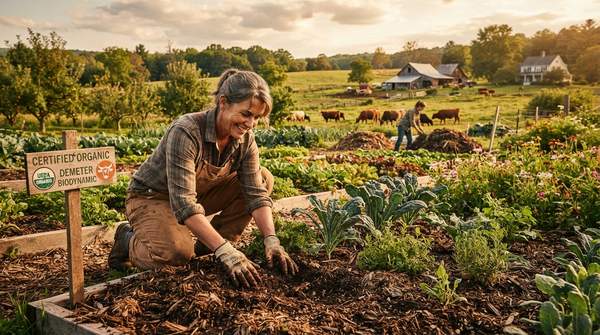
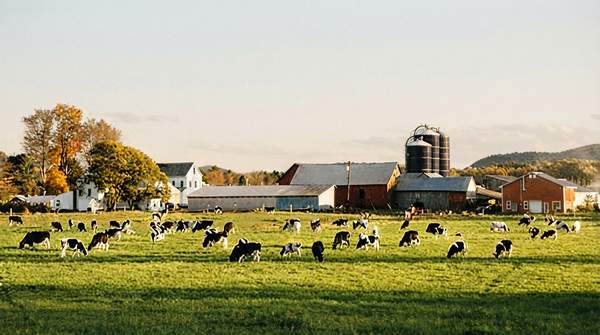
What makes these cheeses worth seeking out is not just flavor but philosophy. Meadow Creek Dairy, run by the Feete family in Virginia, exemplifies the farmstead approach: the cheese is made on the farm from its own raw milk, so the land and the family's farming methods are present in every wheel. That's precisely what makes Galax a monger favorite. "It's great for less adventurous palates but with all the complexity of farmstead raw-milk cheese that we cheesemongers love," as one cheesemonger put it in Janet Fletcher's Planet Cheese column. The same monger noted that the cheese "often leads to conversations about the Feete family's farming methods," which is exactly the kind of story a good cheese board invites.
Jasper Hill Farm takes a similar depth of control in Vermont. Bayley Hazen Blue is made from the farm's own whole raw milk, sourced from its Andersonville Herd, and matured for three to four months in the farm's affinage program. Even the name carries the region's history: it honors an old military road commissioned by George Washington during the Revolutionary War, a road that brought Greensboro its first settlers.
Vermont Creamery brings a different kind of artisan pedigree. Writing in Bon Appétit, Carey Polis credits cofounder Allison Hooper as "a true pioneer for artisan cheese in the United States," noting that Coupole shifted the writer's own expectations of what goat cheese could be. Hooper's influence was such that "butter titan Land O'Lakes decided to buy her out," Polis reports—a measure of how far artisan creameries have come.
Four Regional American Artisan Cheeses for Your Board
Vermont Creamery Coupole (Vermont). Aged just 11 days, this goat's milk cheese has what Polis calls "that cakey center, oozy outer layer, and clean lactic, lemony, yeasty flavor." It's the bright, fresh note on the board—the cheese that resets palates between richer wedges.
Jasper Hill Farm Bayley Hazen Blue (Vermont). A natural-rind blue in a seven-pound wheel, with a typical profile Jasper Hill describes as peppery, anise-like, and grassy, "with an umami roast beef backbone." The paste is dense and creamy with well-distributed veins, and the sweetness reads as toasted nut. As the farm puts it, "The usual peppery character of blue cheese is subdued, giving way to the grassy, nutty flavors in the milk"—which makes it a blue that even newcomers to the style can enjoy. For pairings, Jasper Hill suggests a fruity red dessert wine, a toasty Imperial stout, or a hunk of dark chocolate, and notes the cheese works crumbled over a juicy burger or in a salad with spinach, walnuts, and dried tart cherries.
Meadow Creek Dairy Galax (Virginia). A washed-curd cheese with a springy texture and a buttery, Gouda-esque flavor, made from the dairy's own raw milk. It's the approachable middle of the board—familiar enough for cautious guests, complex enough for the committed.
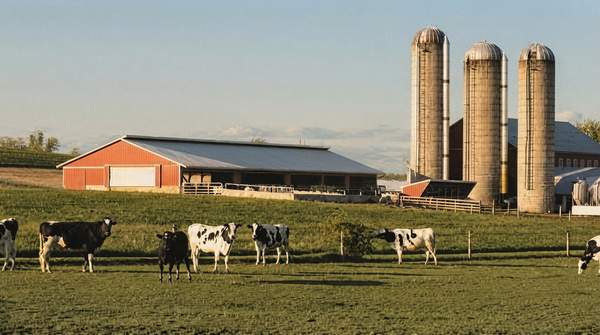
The Farm at Doe Run St. Malachi (Pennsylvania). The Pennsylvania anchor of this selection, from a creamery that has earned mongers' admiration for its land-driven approach. Its specific style details are best confirmed with your cheesemonger at purchase, since published descriptions of this wheel vary.
American Artisan Cheese Board Selection Guide
The table below contrasts the four cheeses across the attributes that matter most when you're assembling a board: where each comes from, what milk and style it represents, how it feels in the mouth, and what it tastes like. Read down the columns and the board's balance becomes visible.
| Cheese & Origin | Milk Type & Style | Texture | Flavor Profile |
|---|---|---|---|
| Coupole — Vermont Creamery, Vermont | Goat's milk; soft-ripened, aged 11 days | Cakey center with an oozy outer layer | Clean, lactic, lemony, yeasty |
| Bayley Hazen Blue — Jasper Hill Farm, Vermont | Raw cow's milk from the Andersonville Herd; natural-rind blue, 3–4 months affinage | Dense, creamy, fudge-like; well-distributed blue veins | Peppery, anise, grassy; umami roast-beef backbone; toasted-nut sweetness |
| Galax — Meadow Creek Dairy, Virginia | Raw cow's milk; washed-curd, farmstead | Springy | Buttery, Gouda-esque |
| St. Malachi — The Farm at Doe Run, Pennsylvania | — | — | — |
The comparison shows why these four work together. Milk sources split between goat and raw cow, so the board isn't one note. Textures run from Coupole's oozy, just-aged softness to Bayley's dense, fudge-like blue to Galax's springy bite—three distinct mouthfeels before you even reach the Pennsylvania wheel. Flavors range from bright and lemony to grassy and peppery to buttery, which means no two adjacent wedges will taste alike. St. Malachi's row is deliberately sparse here; its role is regional reach, and its specifics belong to the conversation you have at the cheese counter.
Confidently Curate Your Next American Cheese Board
Readers should confidently select at least four distinct American artisan cheeses, ensuring variety in milk type, texture, and flavor profile, to create a balanced and engaging cheese board. The framework above makes that concrete: one soft-ripened goat, one raw-milk blue, one washed-curd semi-firm, and one Pennsylvania farmstead wheel.
The measure of success is simple: a reader successfully identifies and purchases a diverse selection of American artisan cheeses for their next gathering, based on the article's comparative guidance. If your counter can source Coupole, Bayley Hazen Blue, Galax, and a Doe Run wheel on the same day, you have a board that tells a story from three states—and a measurable starting point for every board after that.